
Goddesses
Love/sexuality
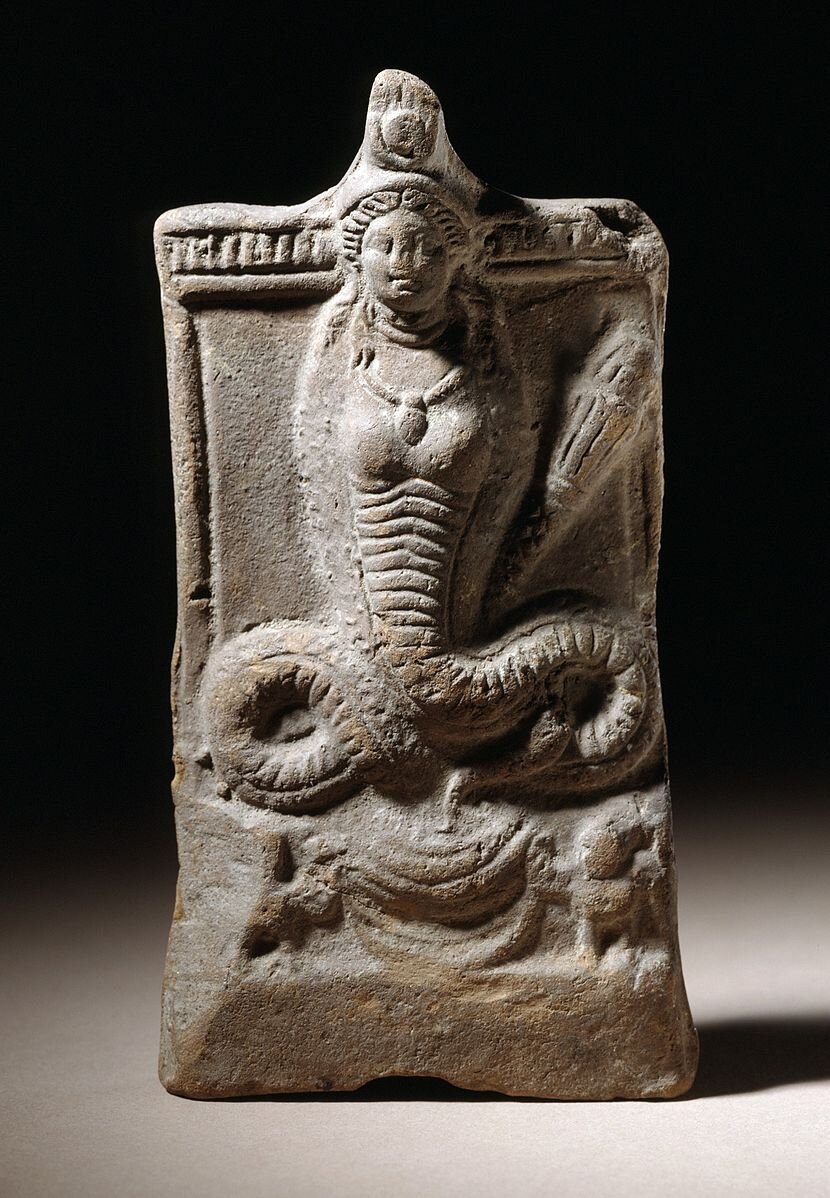
Egypt, 2nd century A.D., Los Angeles County Museum of Art, image via Wikimedia Commons courtesy of LACMA
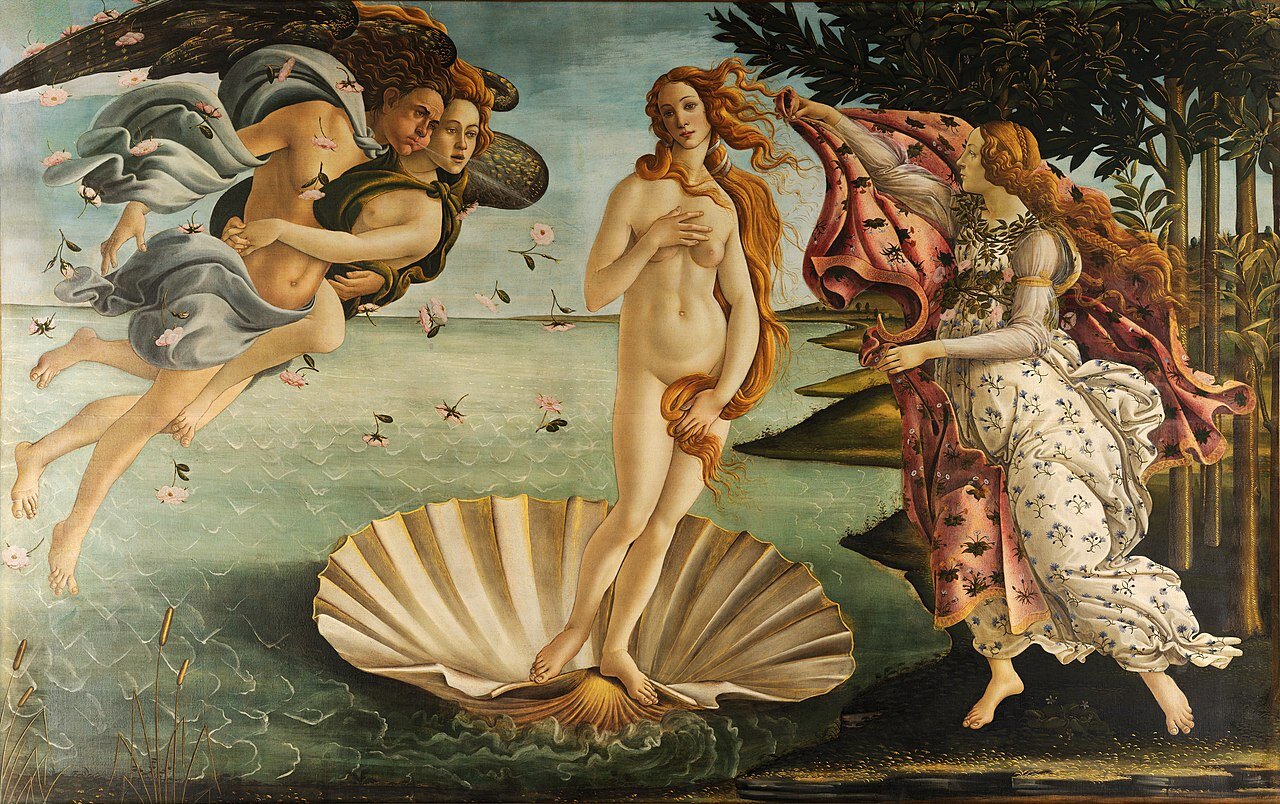

Alexandros of Antioch, Between 130 and 100 BC, Louvre Museum, Paris, image via Wikipedia


Salvador Dalí, 1936, Fundació Gala-Salvador Dalí / Artists Rights Society (ARS), New York, 2018, Art Institute Chicago


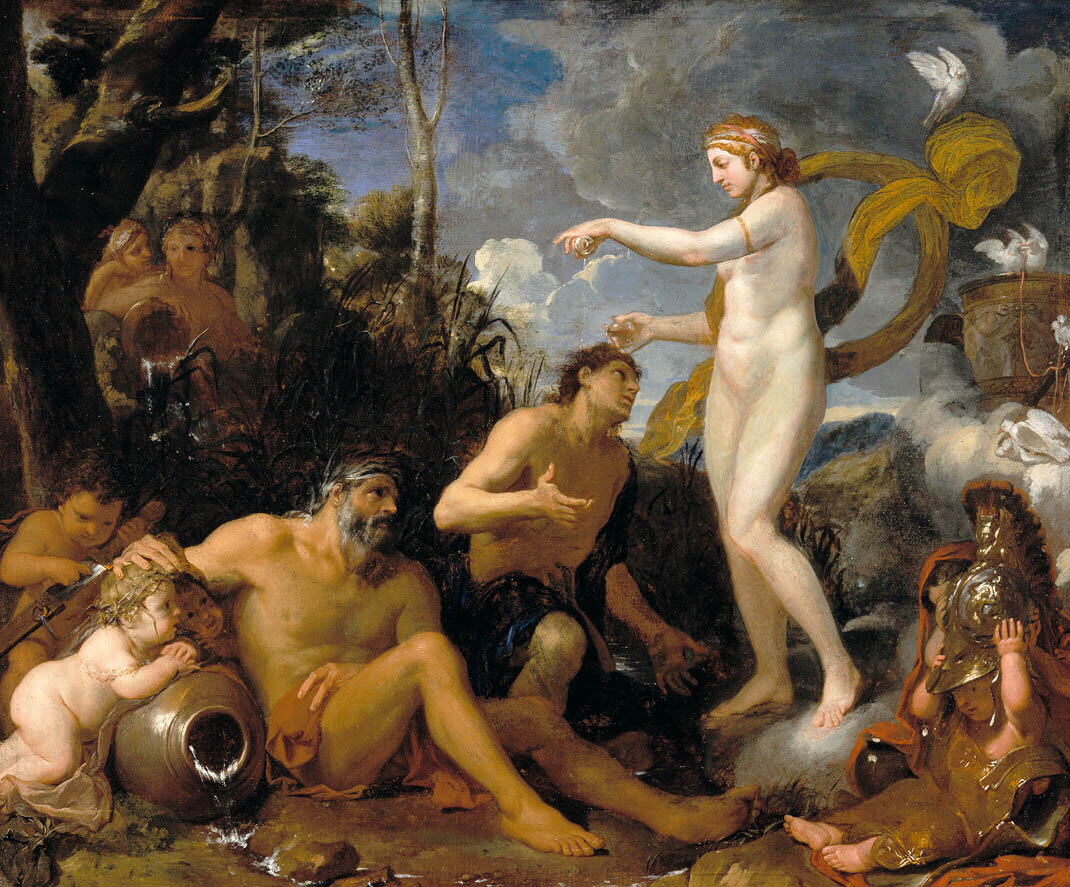
Musee des Beaux Arts de Montreal
Charles Le Brun, 1642-1644
Oil on canvas
81.3 x 97.7 cm
Purchase, John W. Tempest Fund, inv. 1953.1082
In this painting by Le Brun, the Roman goddess of love Venus is seen anointing her kneeling son Aeneas before he fights Turnus for the possession of Rome. She holds the divine food, ambrosia and nectar she will apply to Aeneas’ lips so that he may join the pantheon of gods. At the left, the river god who has cleansed away Aeneas’ mortality looks on, and two nymphs peer out from the forest glade in the background. In the lower corners, putti (cherub) play with the arms of the god Vulcan forged for Aeneas at Venus’ behest (Virgil, Aeneid). This painting can be dated to Le Brun’s Roman period. Greatly influenced by Poussin, Le Brun followed him back to Rome, where they worked in close association until 1646, when Le Brun returned to France. Le Brun became one of the most powerful and influential artists of his time, and was entrusted with the decoration of the Château de Versailles for Louis XIV.


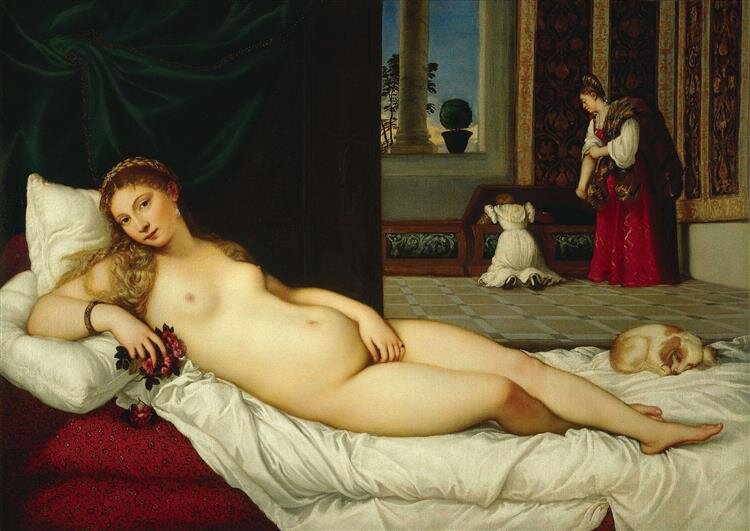
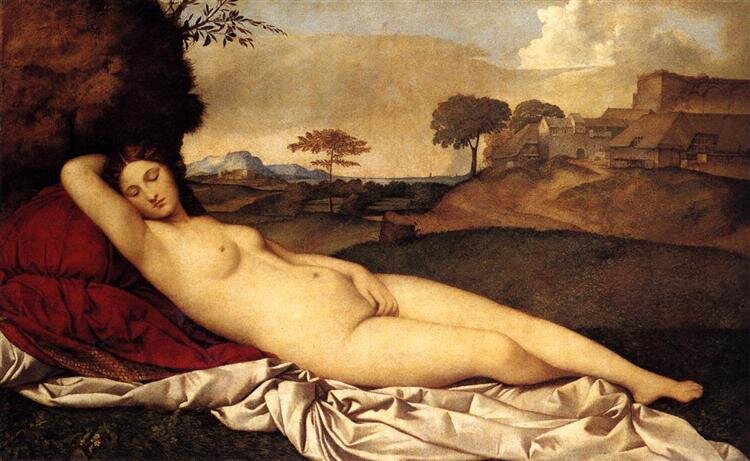
Giorgione (completed by Titian), 1508 - 1510, High Renaissance: Old Masters Picture Gallery, Dresden, Germany
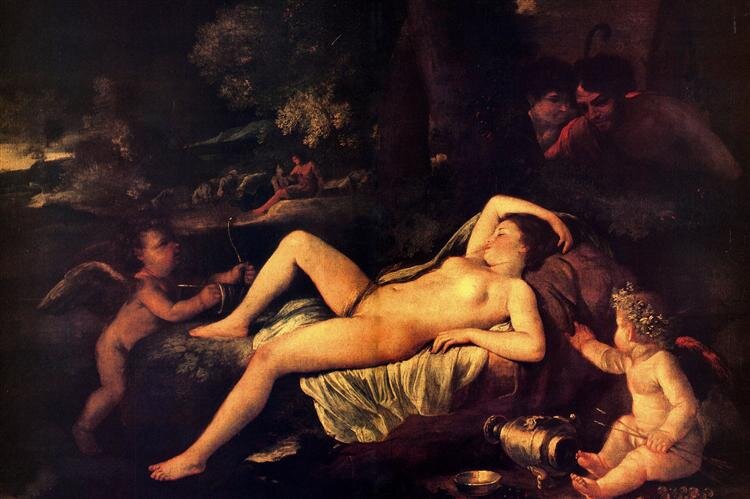
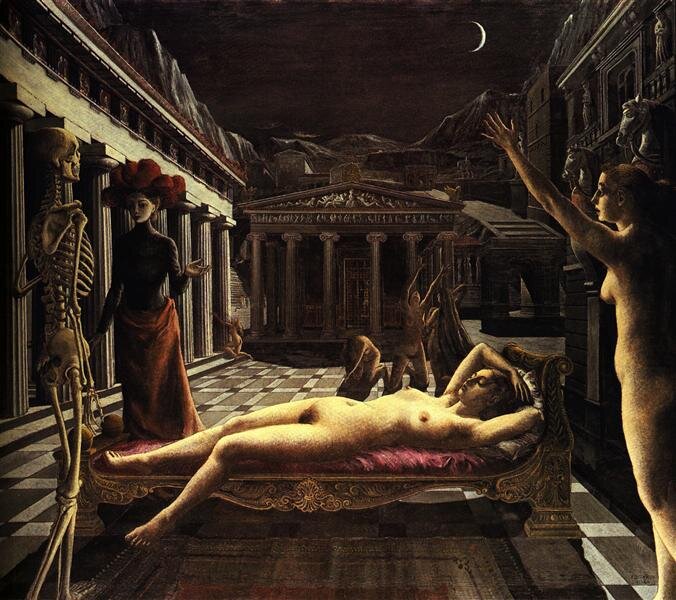
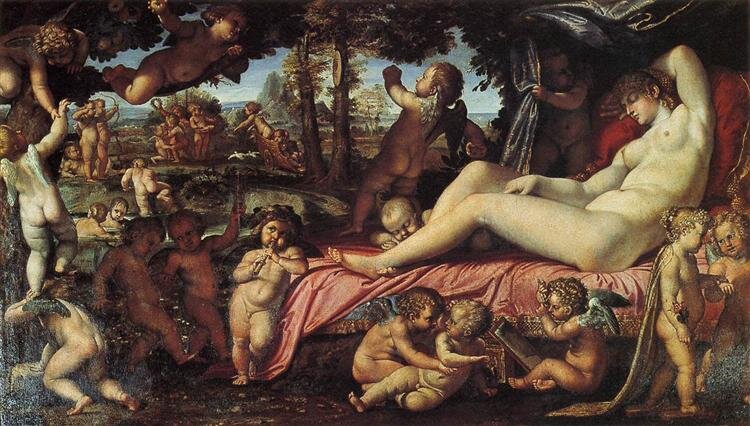
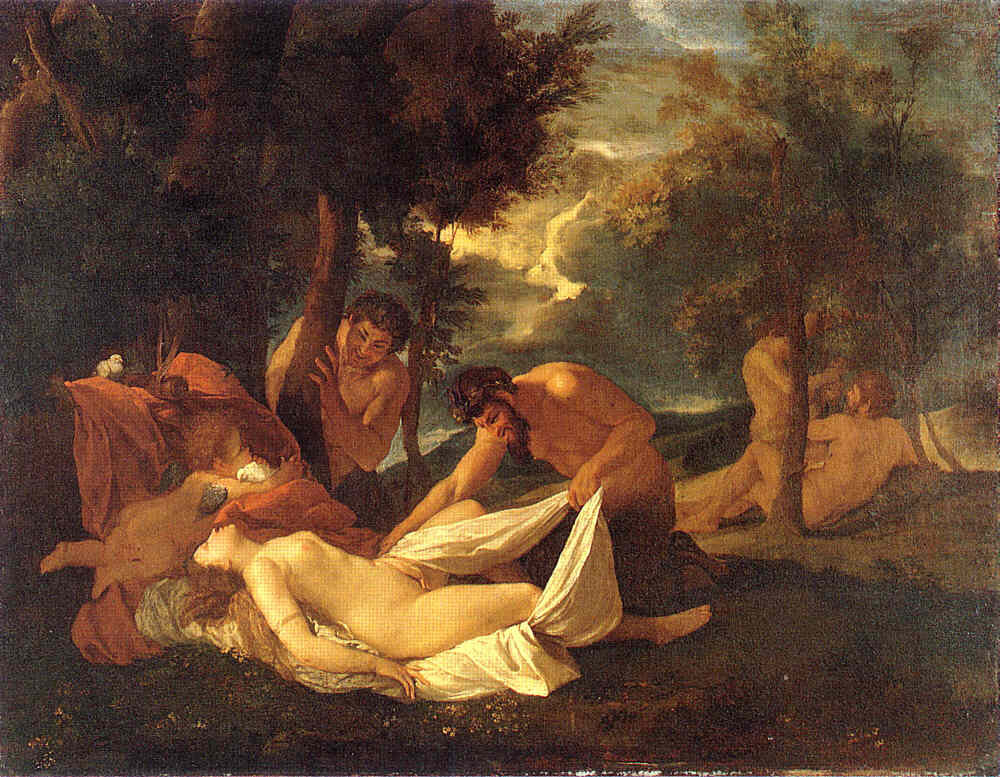
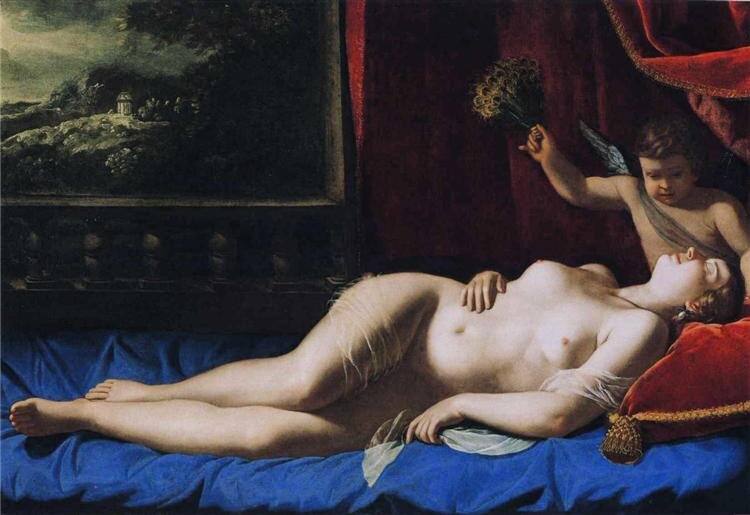
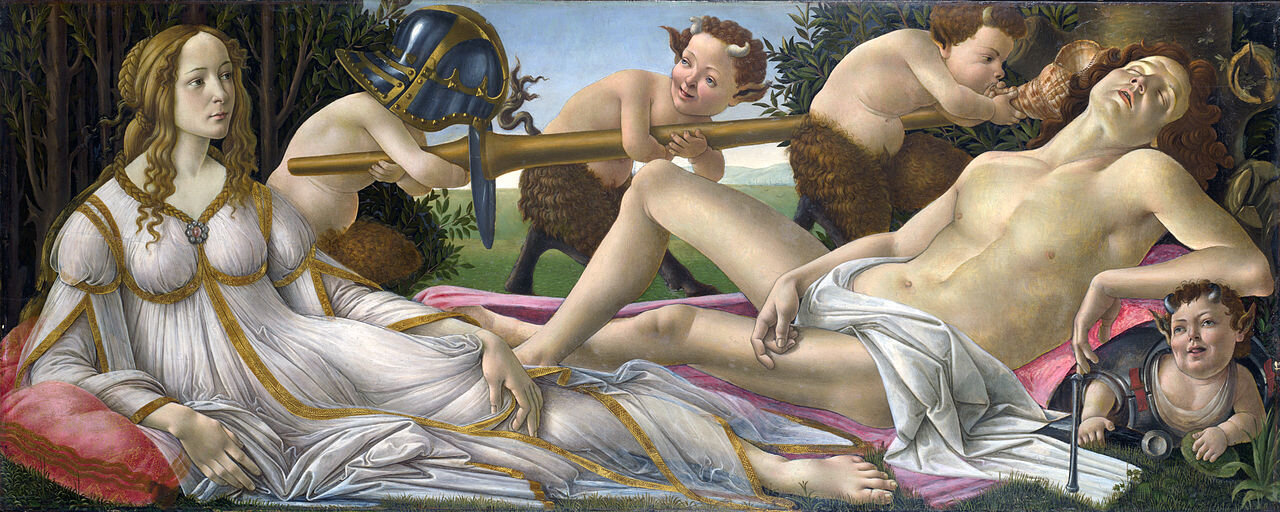
Sandro Botticelli, c. 1485, National Gallery, London
View video: Caroline Campbell, The Jacob Rothschild Head of the Curatorial Department discusses this painting: https://youtu.be/jNkHq6QXX30
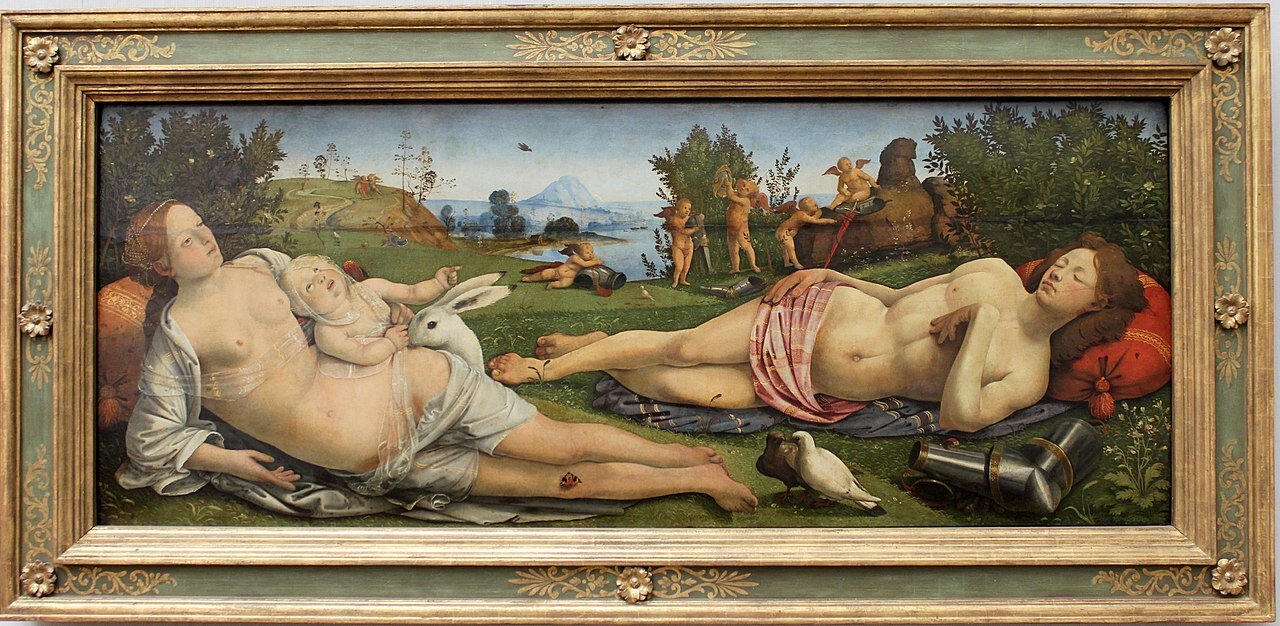

Joachim Anthonisz. Wtewael (Dutch, 1566 - 1638), 1604–1608, Oil on copper, 20.3 × 15.5 cm (8 × 6 1/8 in.), 83.PC.274
The J. Paul Getty Museum, Los Angeles
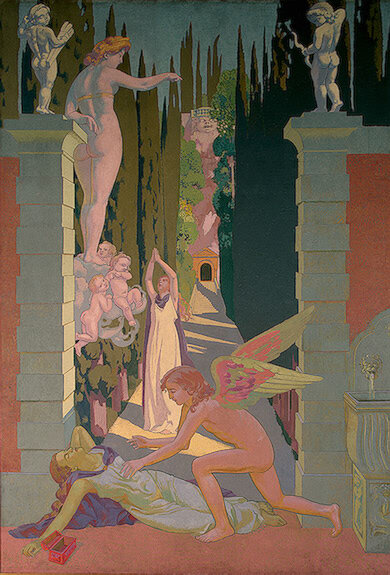
Venus - (Roman) Goddess of love, beauty, desire, sexuality, fertility, prosperity, truth seeking, and victory. In Greek mythology she was known as Aphrodite. Venus-Aphrodite was born of sea-foam, which represented the watery, fluid, yielding aspect of the female personality. Venus was the mother of Cupid, the god of love.
Suadela - (Roman) Goddess of persuasion, seduction and romance.
Protectors/ Avengers

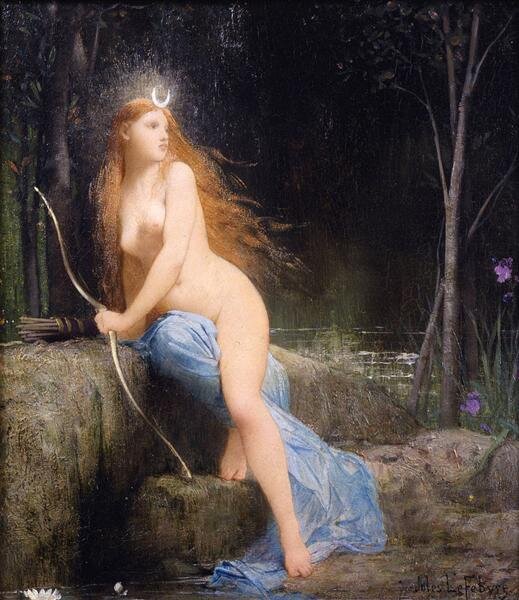

1800s, Cleveland Museum of Art
An adaptation of the Greek goddess Diana or Roman goddess Artemis, goddess of the hunt, this winged fairy wears a British crown and a short skirt and carries a spear. Like Diana/Artemis, the stag is presented on her left. Her hair resembles that of other Hindu goddesses.

Marble by Bernardino Cametti, 1720. Pedestal by Pascal Latour, 1754. Bode Museum, Berlin., image via Wikipedia


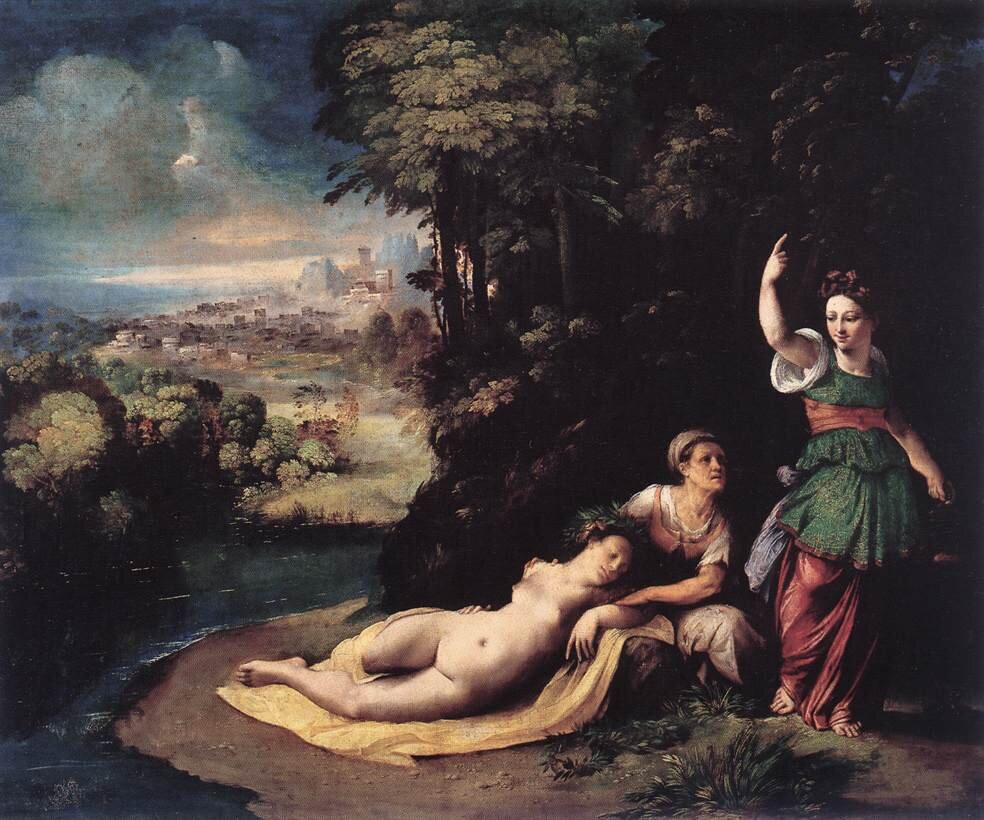
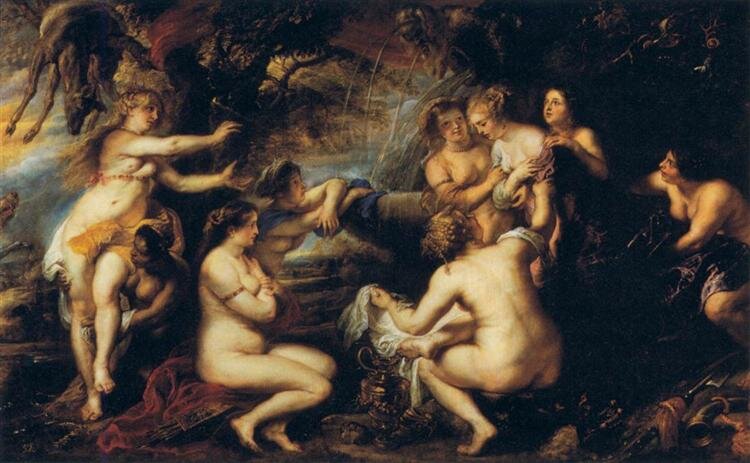

Titian, 1556-1559, Kunsthistorisches Museum, Vienna, Austria, National Gallery, London, UK
Artemis - (Greek) Goddess of the hunt and moon, protector of women and children
Diana - (Roman) Goddess of the hunt and moon
Luna - (Roman) Goddess of the Moon
Selene - (Greek) Goddess of the Moon
Cerridwen - (Irish) Goddess of the moon, magic, agriculture, poetry, music, art and science.
Macha - (Irish) Goddess of the Wild; battles against injustice to woman and children
Wisdom & War
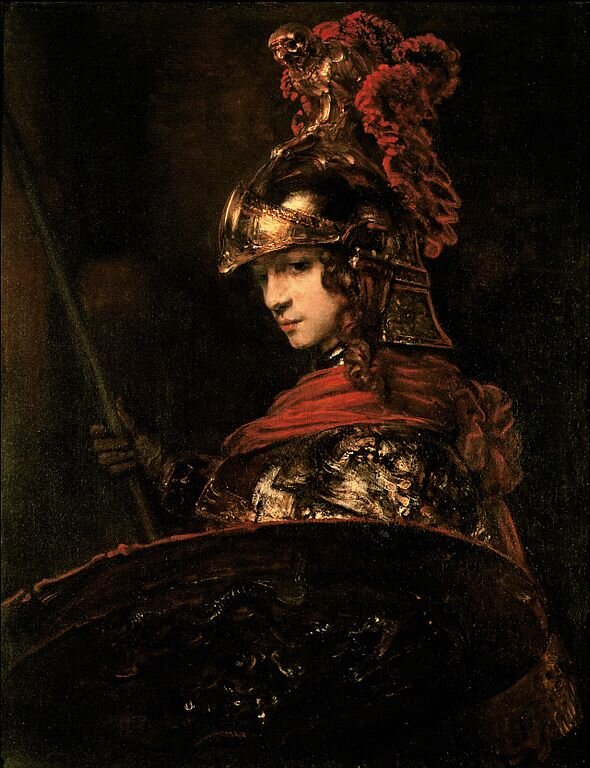


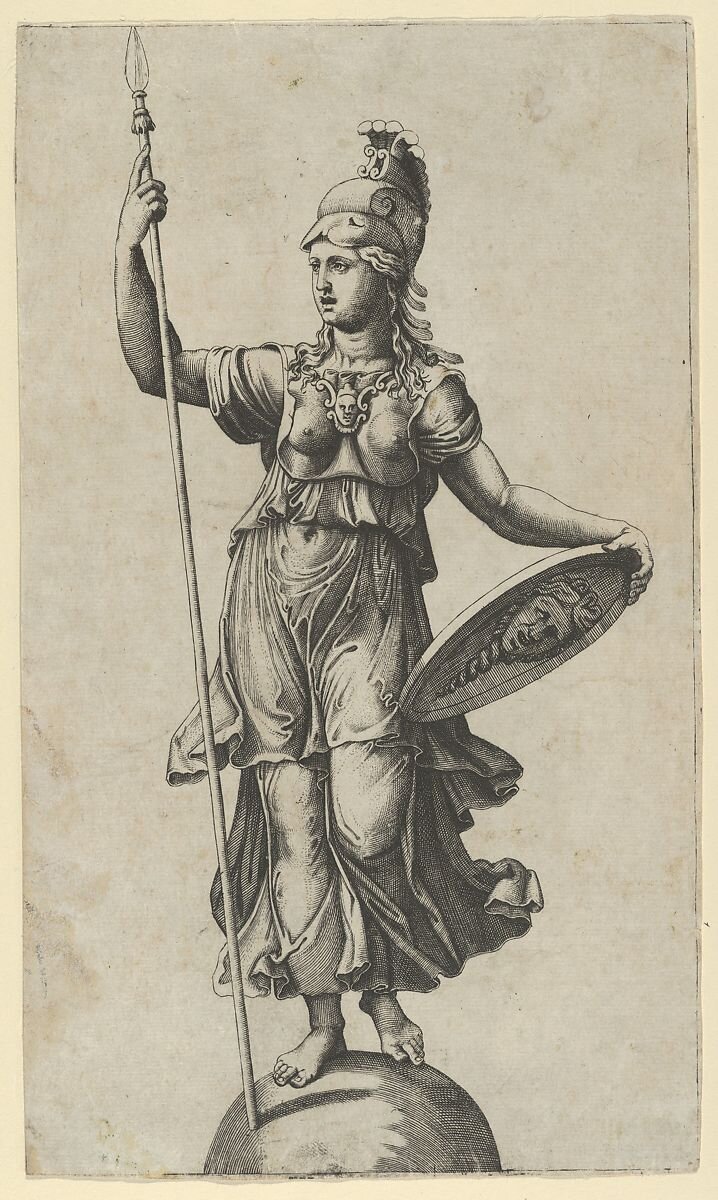
Pallas Athena standing on a globe, a spear in her left hand, a shield in her right
Marcantonio Raimondi, ca. 1520–27, Metropolitan Museum of Art, The Elisha Whittelsey Collection, The Elisha Whittelsey Fund, 1949

Detail from the statue of the "Piraeus Athena" in the Archaeological Museum of Piraeus (Athens). The work has been given to either Kephisodotos or Euphranor (4th century B.C.), or deemed to be a Hellenistic-era creation in classicizing style. Picture by Giovanni Dall'Orto, November 14 2009.
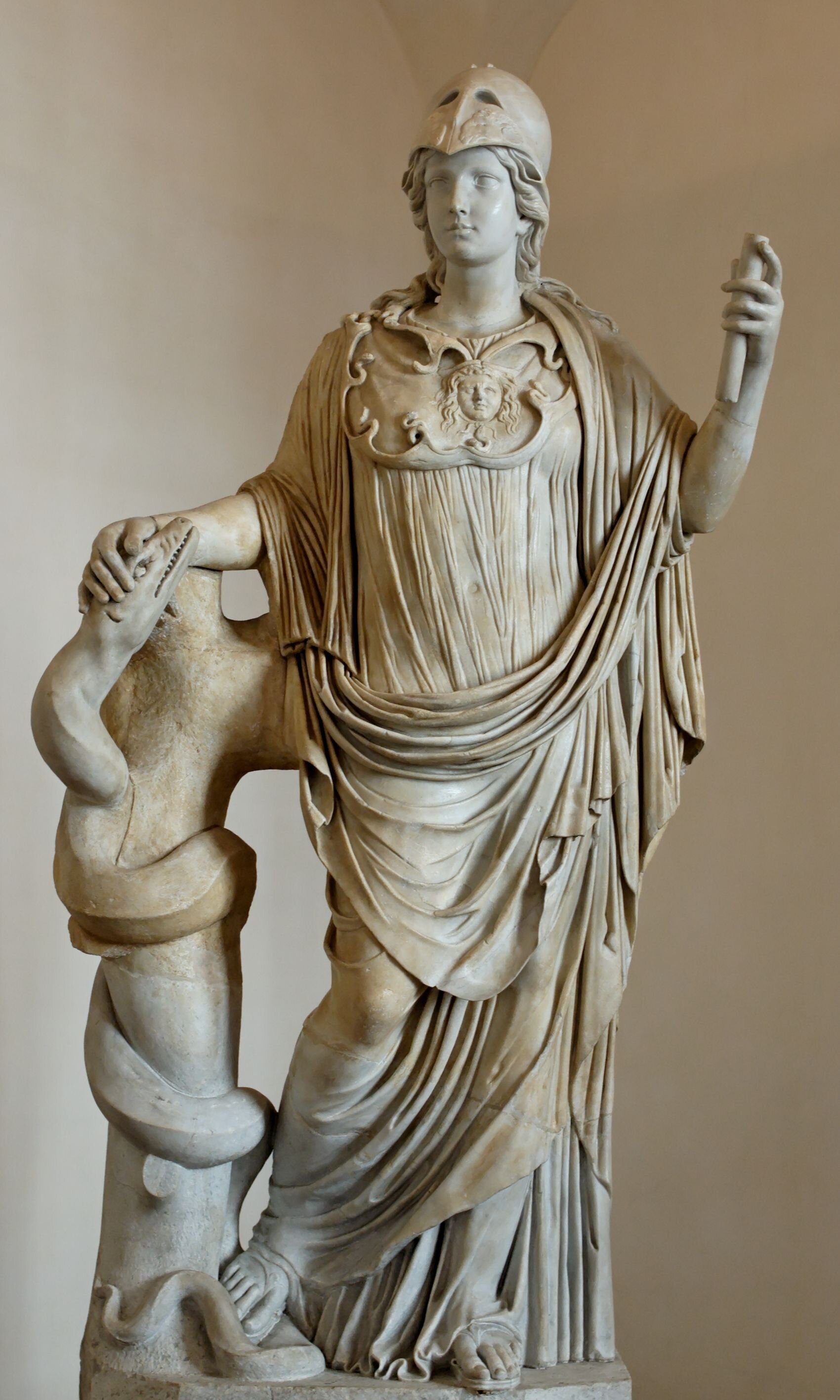

Marble, Roman copy from the 1st century BC/AD after a Greek original of the 4th century BC, attributed to Cephisodotos or Euphranor. Related to the bronze Piraeus Athena; Louvre Museum, France, from Mattei collection
Athena - (Greek) Goddess of wisdom, poetry, art and war strategy
Minerva - (Roman) Goddess of wisdom, commerce, poetry and strategic warfare
Sulis - (Celtic) Goddess of Wisdom and Decisions; also associated with the Sun; Law and Sight
Nike - Goddess of victory
mother/ supreme goddess
#/media/File:Berl%C3%ADn_di_Cosimo_01.JPG)

Egypt, 2nd century A.D., Los Angeles County Museum of Art, image via Wikimedia Commons courtesy of LACMA

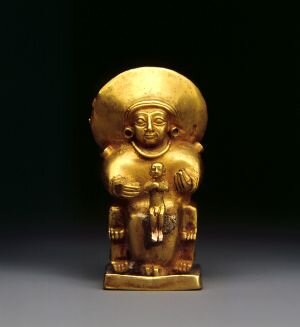
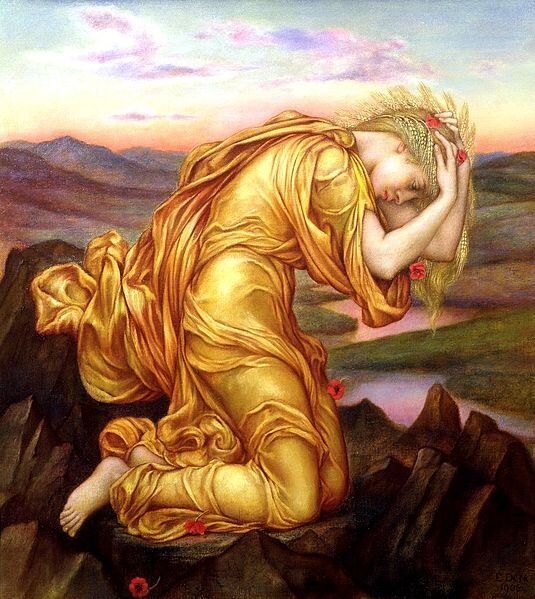


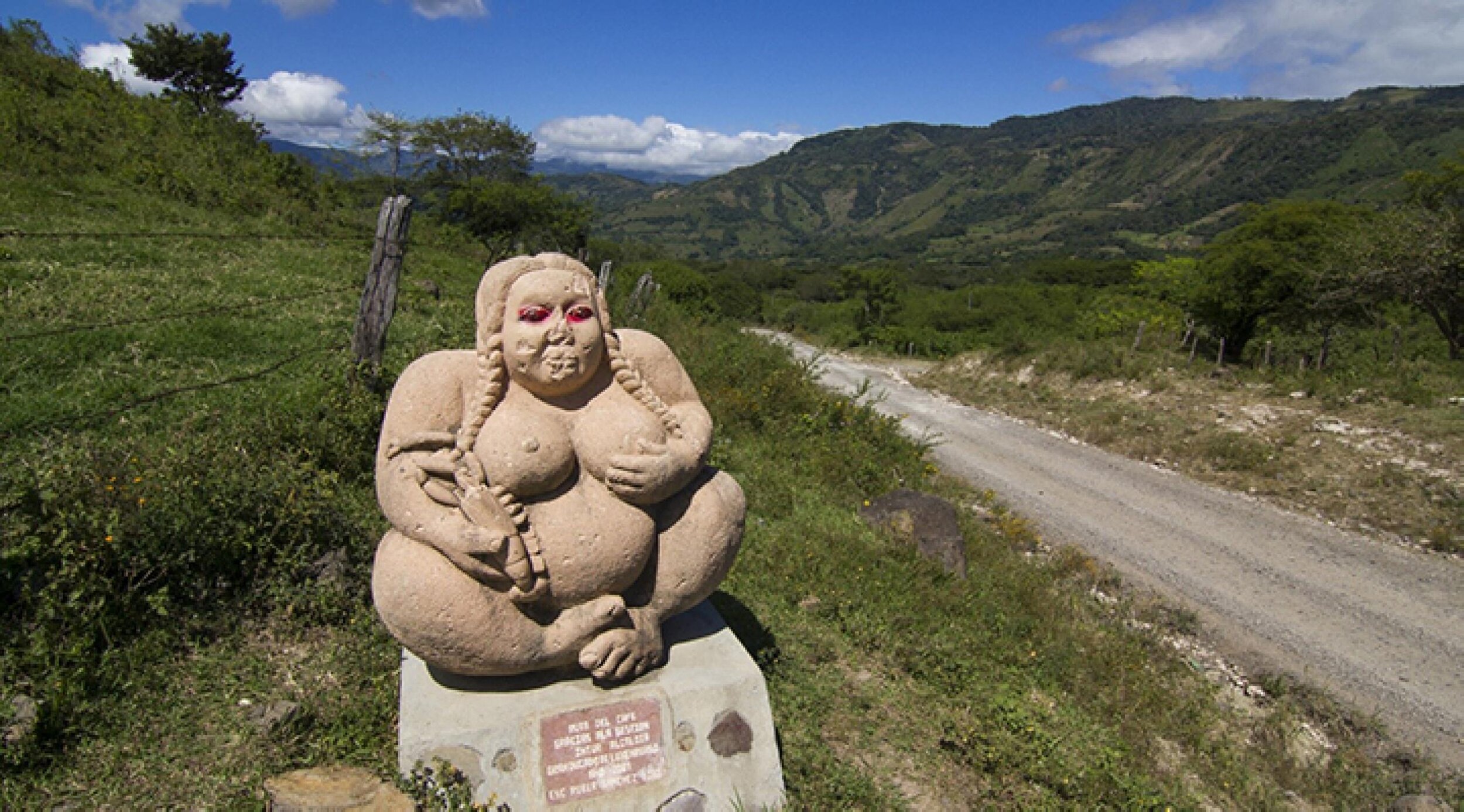
sculpture of Pachamama (Mother Earth) in the mountains surrounding Esteli. Image via ieu.greenclimate.fund ©gaborbasch
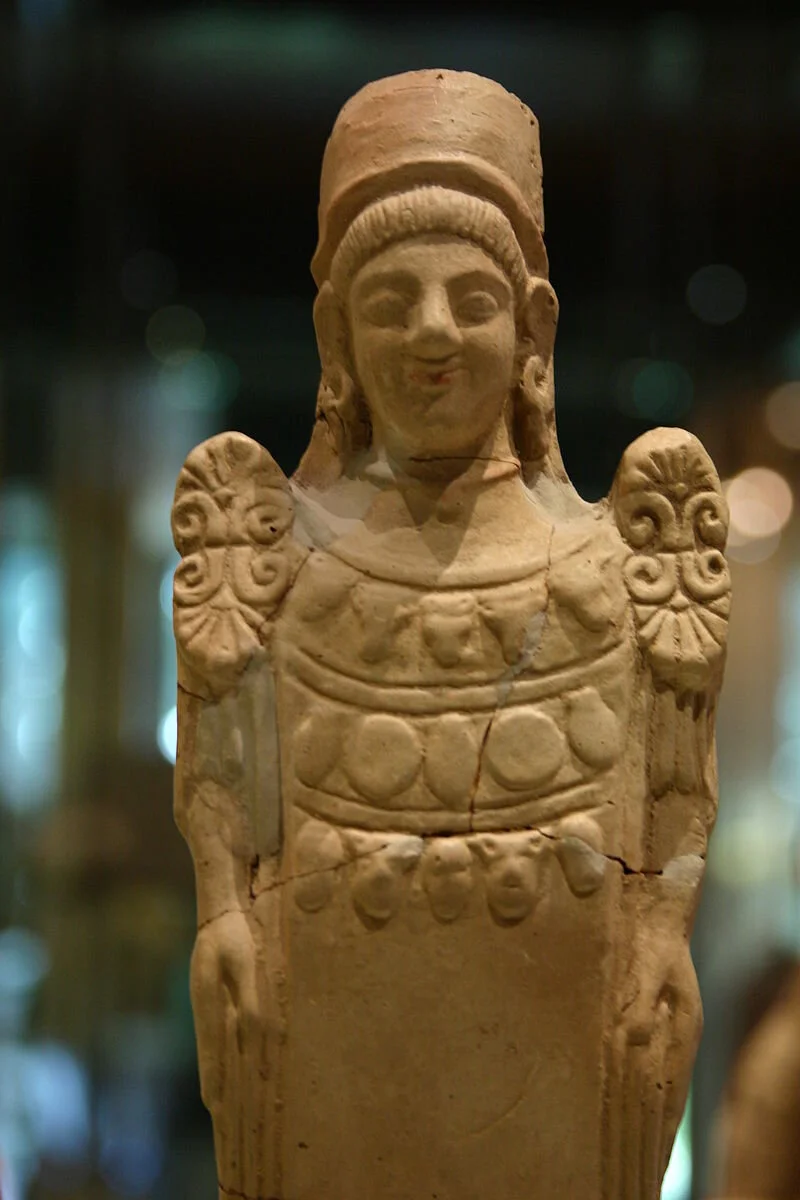
Demeter figurine - Museo Archeologico Regionale - Agrigento, © José Luiz Bernardes Ribeiro / CC BY-SA 4.0


Anselm Feuerbach, 1875, Ceiling painting, Academy of Fine Arts Vienna, image via Wikipedia

Joseph Werner the Younger, circa 1680, Art Institute of Chicago, image via Wikimedia Commons, public domain

Ugaritic relief on ivory of Mother Goddess Asherah, 14th century BCE. De Agostini/G. Dagli Orti/Getty Images


photograph of a relief of Demeter in her horse drawn chariot with her daughter, Kore, and with rampant horses flanking the chariot. photo from Wikipedia

Tintoretto, c1546/1548, National Gallery of Art
“Summer is represented here as Ceres, goddess of agriculture, reclining in front of her attribute, a row of wheat stalks. The work is one of three known paintings from a cycle by Jacopo Tintoretto depicting the personifications of the four Seasons. Spring and Autumn are housed in other collections; there is no trace of Winter. All three of the surviving Seasons feature powerful figures combined with a decorative elegance that is especially prominent in Summer, in the undulating line of stalks of grain silhouetted against the sky, the lacy grape leaves and clustered grapes, and the exquisitely rendered birds.
Tintoretto’s Seasons were created to surround a central ceiling painting in the Casa Barbo a San Pantaleone, in Venice. That painting, the octagonal Allegory of the Dreams of Men (Detroit Institute of Arts), has a complicated network of symbols that, when considered together, comment upon the interaction of human dreams and desires, fortune, and the great cycles governing heaven and earth. The depiction of the Seasons surrounding the central allegory would have complemented the motif of cyclical change.” — National Gallery of Art


Composite image of Hathor's most common iconography, based partly on images from the tomb of Nefertari, image from Wikipedia

Norval Morrisseau, 1976
Anishinaabe artist Norval Morrisseau, known as the creator of the Woodland School of art, depicted traditional stories with spiritual themes in his work. Read more

Norval Morrisseau © Estate of Norval Morrisseau
Anishinaabe artist Norval Morrisseau, known as the creator of the Woodland School of art, depicted traditional stories with spiritual themes in his work. Read more


1984, Judy Chicago
Painting on 18 mesh canvas by Judy Chicago with Lynda Healy;
needlepoint by Frannie Yablonsky.
40 1/2 x 61 1/2 in. (102.9 x 152.4 cm).

Allegory of August: detail of a fresco by Cosimo Tura, Palazzo Schifanoia, Ferrara, 1469-1470. image via New World Encyclopedia
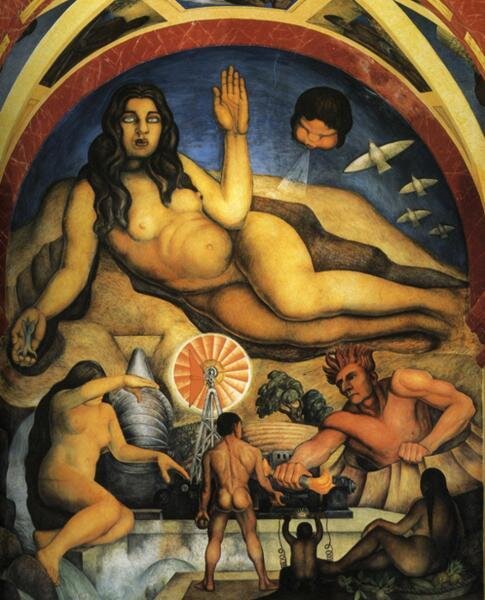
Gaia/Mother Earth - (Greek) primordial Goddess of the Earth; ancestral mother of all life
Hathor - (Egyptian) Goddess, Mother/Consort of sun god Ra and sky god Horus; mother of the pharaohs; Creator of the World
Rhea - (Greek) Goddess of nature, known as mother of gods
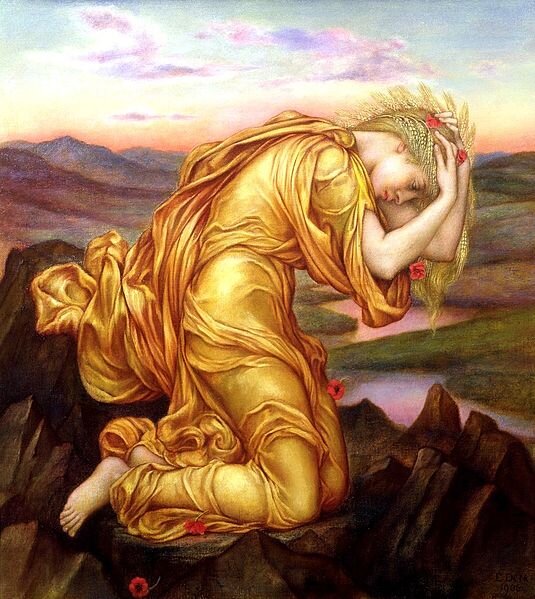
Demeter - (Greek) Goddess of agriculture, Mother of Persephone
Ceres - (Roman) Goddess of Agriculture and Motherhood
Bona Dea - (Roman) Ancient Goddess of fertility and healing
Hera - (Greek) Queen of the Gods, Goddess of the Goddesses
Juno - (Roman) Queen of Goddesses
Composite image of Hathor's most common iconography, based partly on images from the tomb of Nefertari, image from Wikipedia
life/death; The Underworld



Throning goddess, marble statue supposed to be Persephone, queen of the underworld, 480-460 BC, found in Taranto, Italy. (Berlin inventory number Sk 1761), Pergamon Museum, Berlin
image from Wikipedia
_480-460_BC_(Sk_1761)_1.JPG)

Statue of Isis - Persephone holding a sistrum, Temple of the Egyptian Gods, Gortyn, 180-190 A.C.
image from Wikipedia


Rectangular, baked clay relief panel; modelled in relief on the front depicting a nude female figure with tapering feathered wings and talons, standing with her legs together; shown full frontal, wearing a headdress consisting of four pairs of horns topped by a disc; wearing an elaborate necklace and bracelets on each wrist; holding her hands to the level of her shoulders with a rod and ring in each; figure supported by a pair of addorsed lions above a scale-pattern representing mountains or hilly ground, and flanked by a pair of standing owls. Known as the "Burney Relief" or the "Queen of the Night".
British Museum
image from Wikipedia


Lady of Auxerre, a female statuette in the Daedalic style. Limestone with incised decoration, formerly painted, ca. 640–630 BC, Louvre Museum
photo from Wikipedia

photograph of a relief of Demeter in her horse drawn chariot with her daughter, Kore, and with rampant horses flanking the chariot. photo from Wikipedia
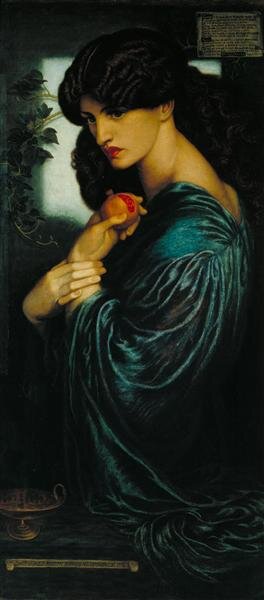
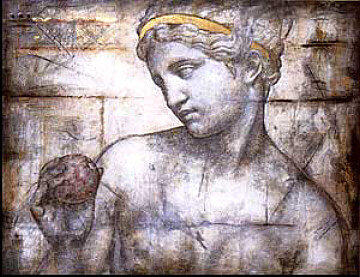

Anonymous, 2nd Half of 17th Century, oil, canvas, 176,2 x 132 cm, National Gallery of Slovenia, Ljubljana, image via National Gallery of Slovenia
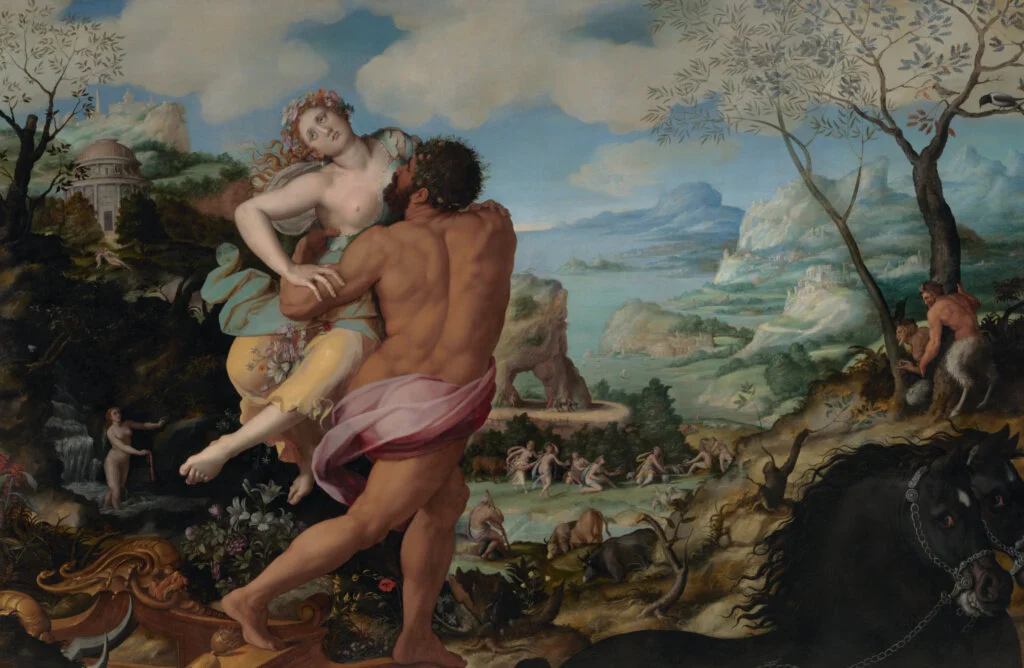




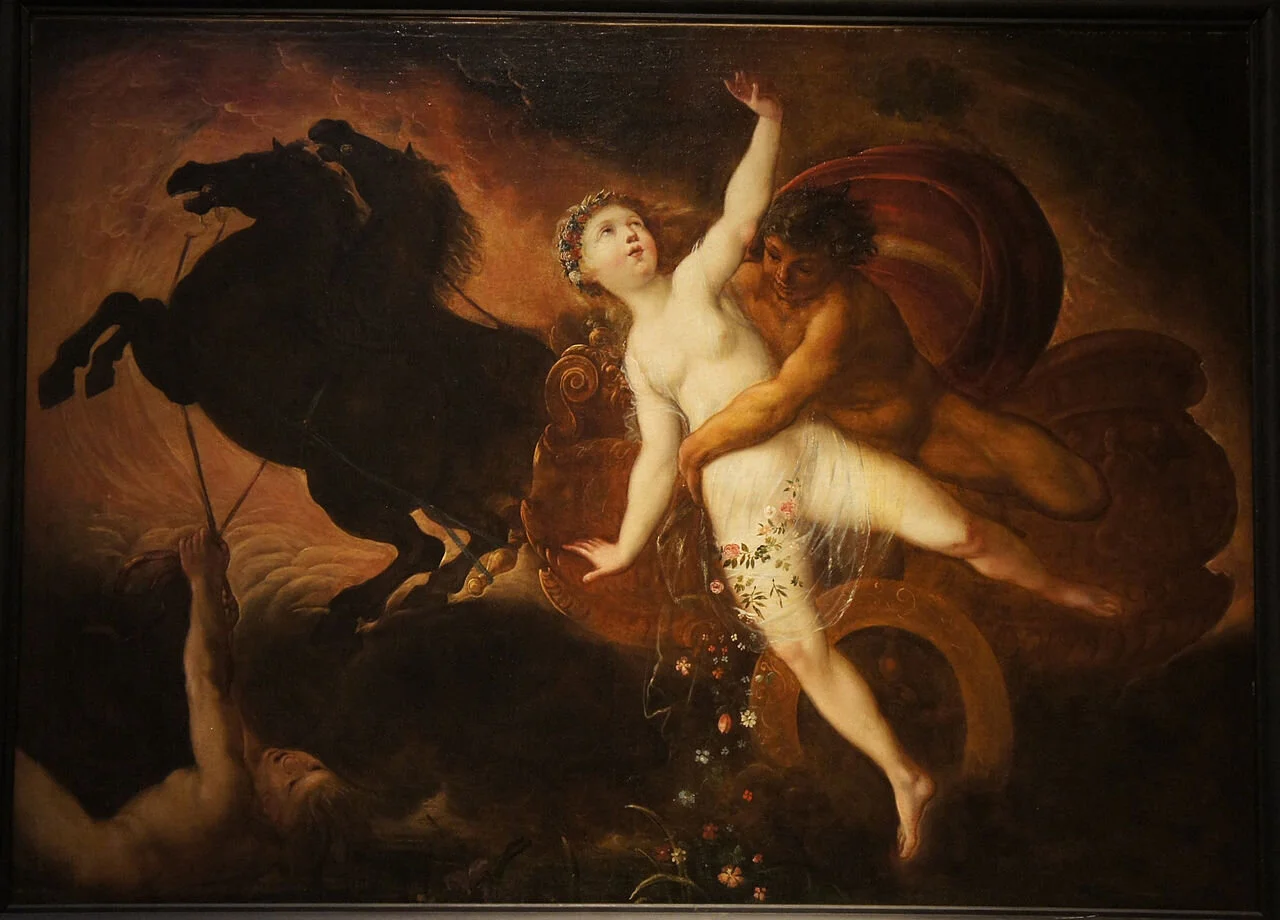
Jean-Francois de Troy, 1735, via State Museum Fund from the Stroganov Palace Museum, Leningrad, 1930, Hermitage Museum
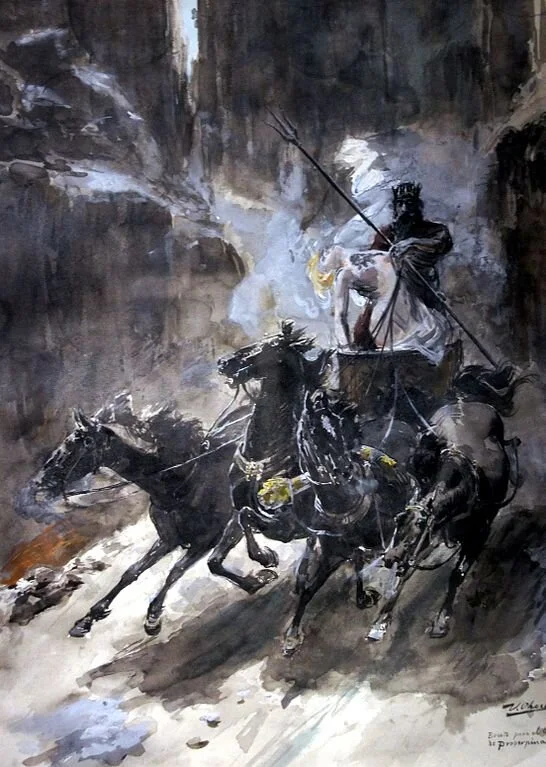
Pierre Brébiette, (1598-1642), Musée des Beaux-Arts et d’Archéologie de Châlons-en-Champagne


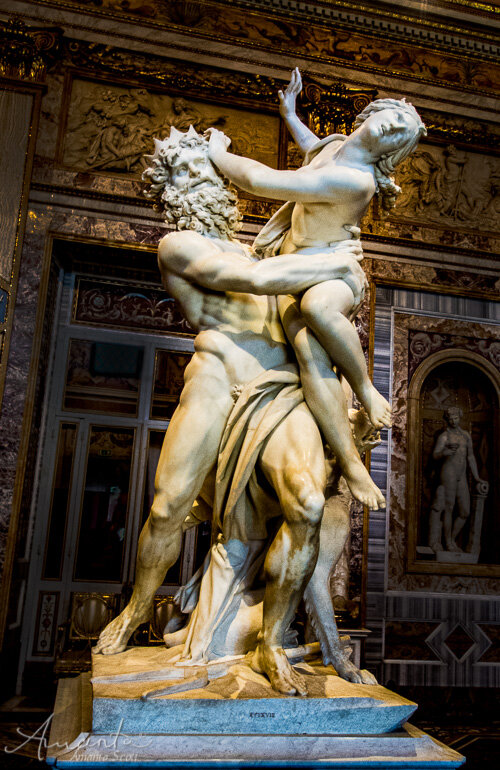
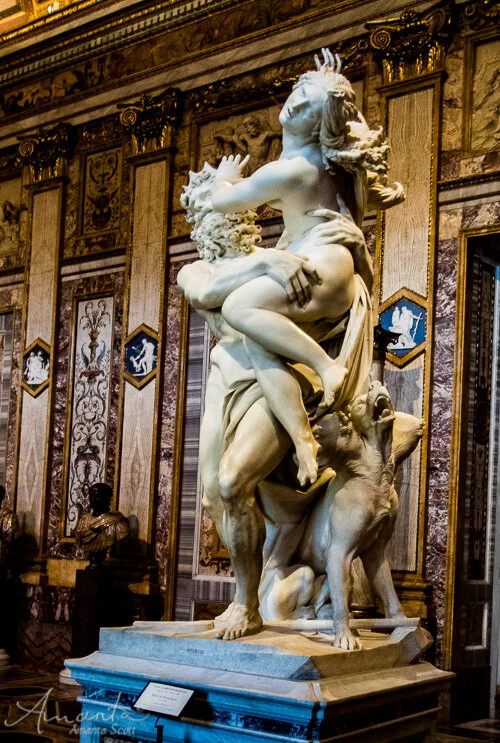
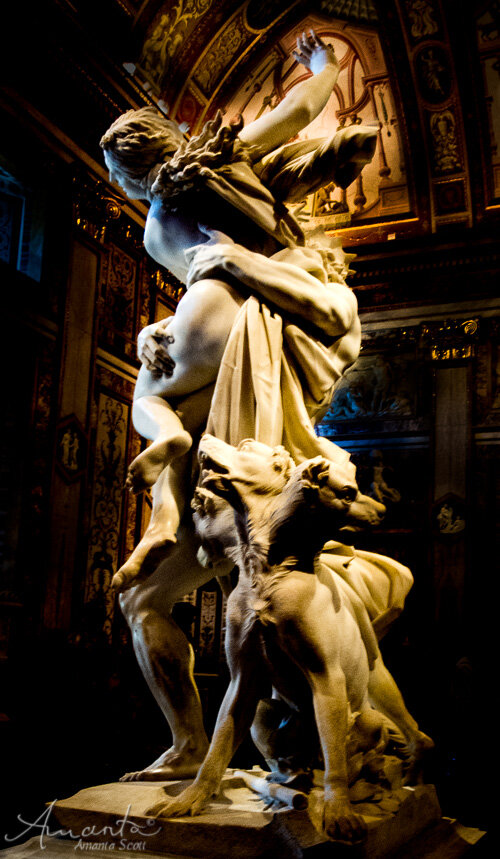
Persephone - (Greek) Goddess of the Vegetation and Queen of the Dead, Daughter of Demeter
Proserpina - (Roman) Queen of the Dead and Goddess of the Grain, Daughter of Demeter
Kore - (Roman) Daughter of Demeter,
Hathor - (Egyptian) Goddess, Mother/Consort of sun god Ra and sky god Horus; mother of the pharaohs
Isis - (Egyptian) Goddess of the Afterlife, Divine Mother of the Pharaoh
Hecate - (Greek) Goddess of magic, crossroads and the moon, witchcraft and the dead
Sheela Na Gig - (Celtic) Hag/Crone/Mermaid, often depicted holding open her vulva as gateway to life and death - found above doorways on cathedrals and castles all over Europe
Morai - Three Fates
Clotho - spins the thread of life;
Lachesis - measures the thread of life, and determines destiny
Atropos - chooses how a person dies and ends their life by cutting their thread
Rhiannon - (Welsh) Celtic Goddesses of fertility, the moon, night and death. The name "Rhiannon" means “night queen.”
Ereshkigal - (Mesopotamian) Goddess of the Underworld
The first myth featuring Ereshkigal is described in the ancient Sumerian epic poem of "Inanna's Descent to the Underworld." In the poem, the goddess Inanna descends into the Underworld, apparently seeking to extend her powers there. Ereshkigal is described as being Inanna's older sister. When Neti, the gatekeeper of the Underworld, informs Ereshkigal that Inanna is at the gates of the Underworld, demanding to be let in, Ereshkigal responds by ordering Neti to bolt the seven gates of the Underworld and to open each gate separately, but only after Inanna has removed one article of clothing. Inanna proceeds through each gate, removing one article of clothing at each gate. Finally, once she has gone through all seven gates she finds herself naked and powerless because she lost one of her magic items to a nymph, standing before the throne of Ereshkigal. The seven judges of the Underworld judge Inanna and declare her to be guilty. Inanna is struck dead and her dead corpse is hung on a hook in the Underworld for everyone to see. Inanna's minister, Ninshubur, however, pleads with Enki and Enki agrees to rescue Inanna from the Underworld. Enki sends two sexless beings down to the Underworld to revive Inanna with the food and water of life. The sexless beings escort Inanna up from the Underworld, but a horde of angry demons follow Inanna back up from the Underworld, demanding to take someone else down to the Underworld as Inanna's replacement. When Inanna discovers that her husband, Dumuzid, has not mourned her death, she becomes ireful towards him and orders the demons to take Dumuzid as her replacement. — Wikipedia
snakes; healing; mystery; magic; witchcraft
Hygieia - (Greek) Goddess of health and sanitation
Hecate - (Greek) Goddess of magic, crossroads and the moon, witchcraft and the dead
Circe - (Greek) Goddess of magic
Ceto - primordial sea monster Goddess
Angita - (Marsi) Goddess associated with snake charmers
Cerridwen - (Irish) Keeper of the cauldron, goddess of the moon, magic, agriculture, poetry, music, art and science.
Morrigan - (Irish) Crow goddess associated with war and death. She is queen of phantoms, demons, shape-shifters and witches.
Nyx - Goddess of the night
Nature
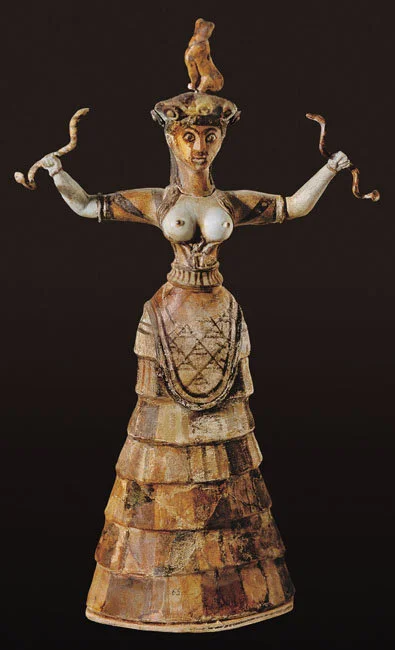
Ariadne - (Minoan) Goddess of Vegetation
“In Minoan Crete, the “divine child” was related to the female vegetation divinity Ariadne who died every year.
An image plate from the first palace of Phaistos, seems to be very close to the mythical image of the Anodos (ascent) of Persephone. The goddess is bordered by snake lines.”
Hathor - (Egyptian) Goddess, Mother/Consort of sun god Ra and sky god Horus; mother of the pharaohs; Creator of the world
Persephone - (Greek) Goddess of the Vegetation and Queen of the Dead
Proserpina - (Roman) Queen of the Dead and Goddess of the Grain
Flora - (Roman) Goddess of Flowers and Spring
Cybele - Goddess of caverns, mountains, nature and wild animals
Salacia - Goddess of Salt Water
Styx - Goddess of the river Styx
Pleiades (Greek)
Maia - Goddess of the fields (one of the seven Pleiades)
Sterope
Taygete
Home
Hestia - (Greek) Goddess of the hearth, home and family
Vesta - (Roman) Virgin Goddess of Family, home and hearth
Justice
Metis - (Greek) Goddess of Wisdom
Ma’at - (Egyptian) Goddess of truth and justice
Themis - (Greek) Goddess of law and divine order
The Three Graces - Triple Goddesses of retribution and vengeance
Nemesis - Goddess of retribution and vengeance
Pheme - Goddess of fame and scandal
Mania - (Greek) Goddess of insanity, madness and the dead
Libera - (Roman) Goddess of Wine
Tyche - Goddess of prosperity and fortune
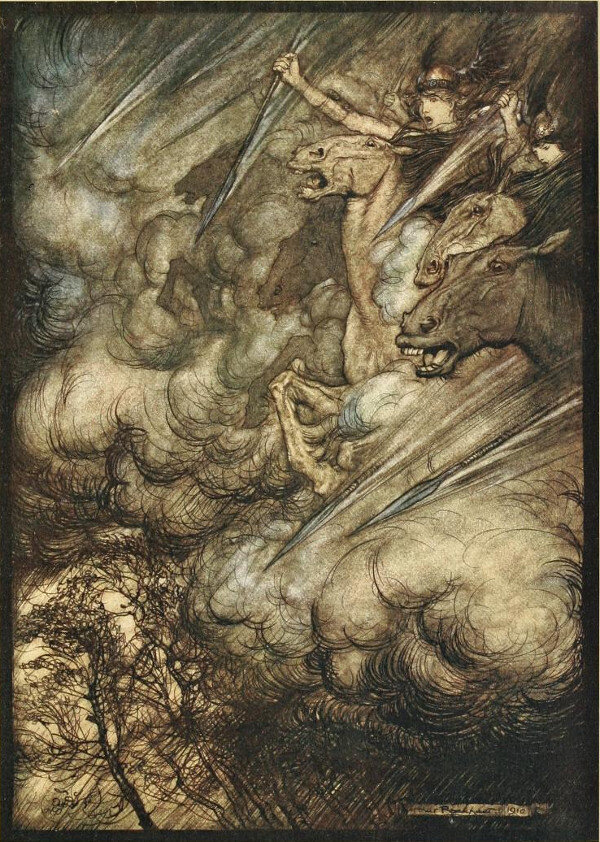
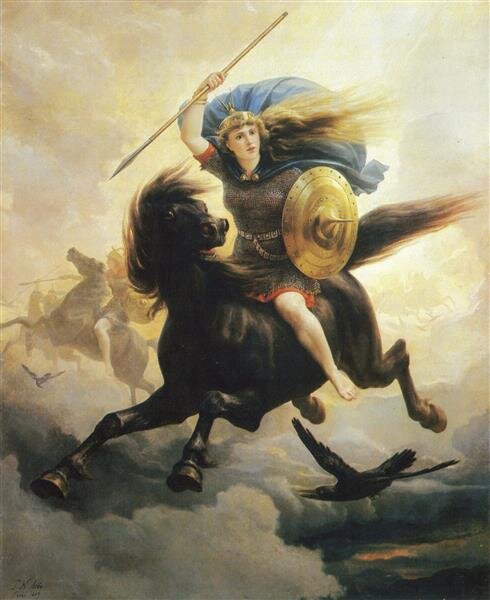
Valkyries
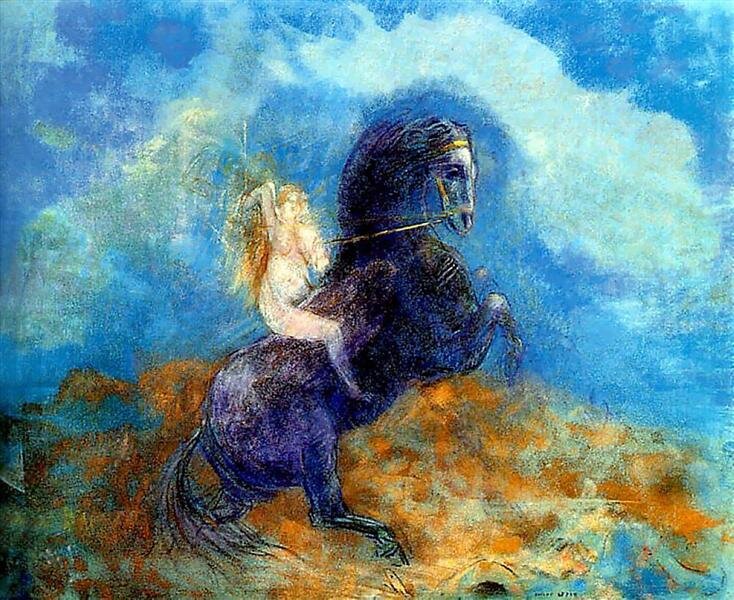
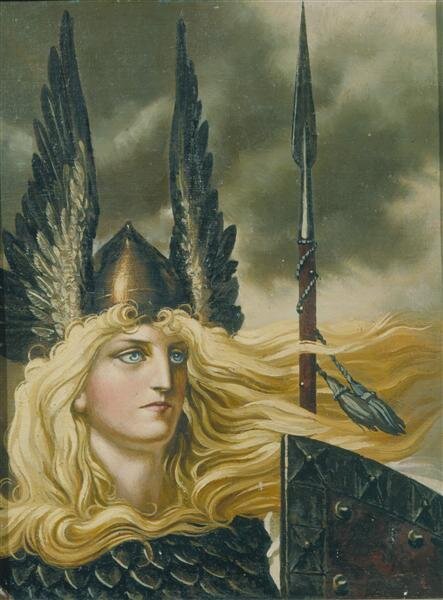
The Arts
Cerridwen - (Irish) Keeper of the cauldron, goddess of the moon, magic, agriculture, poetry, music, art and science.
Muses - (Greek) Goddesses of the Arts, secondary goddesses
Calliope - muse of epic poetry; wisest of all the muses
Clio - muse of history
Melpomene - muse of singing and tragedy
Erato - muse of love and erotic poetry
Polyhymnia - muse of sacred poetry, hymn, dance, pantomime and eloquence
Terpsichore - muse of dance and chorus
Thalia - muse of comedy
Urania - muse of astronomy and astrology
References
- The Larousse Encyclopedia of Mythology, The Hamlyn Publishing Group, 1959
- https://www.ancienthistorylists.com/rome-history/top-10-ancient-roman-goddesses/
- https://en.wikipedia.org/wiki/Bona_Dea
- https://en.wikipedia.org/wiki/List_of_Roman_deities
- https://en.wikipedia.org/wiki/Proserpina
- https://en.wikipedia.org/wiki/Persephone
- https://en.wikipedia.org/wiki/Ereshkigal
- https://en.wikipedia.org/wiki/Suadela
- https://en.wikipedia.org/wiki/Sulis
- https://en.wikipedia.org/wiki/Hathor
- https://en.wikipedia.org/wiki/Gaia
- https://en.wikipedia.org/wiki/Sheela_na_gig
- https://en.wikipedia.org/wiki/Muses
- https://en.wikipedia.org/wiki/Persephone