Saints & Sinners
Madonna/ Virgin Mary
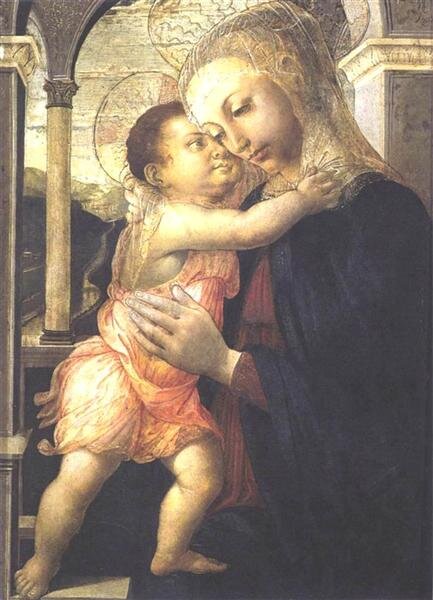
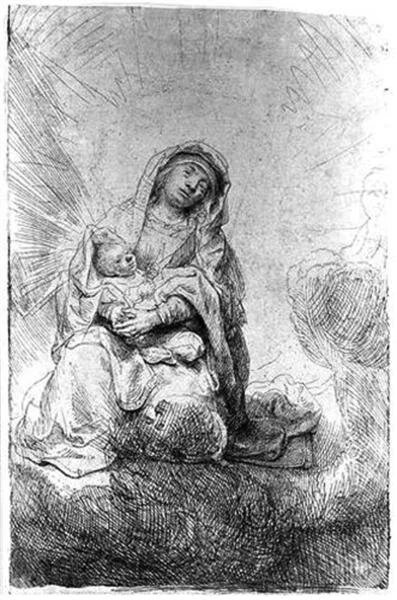
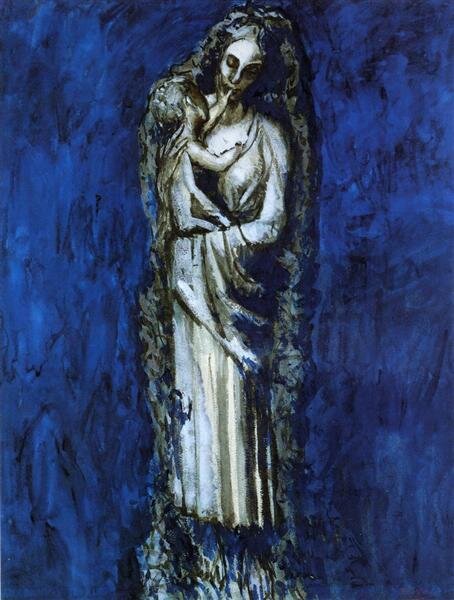
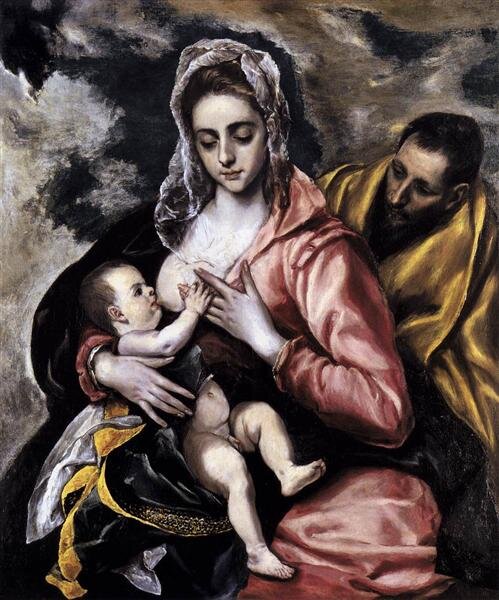
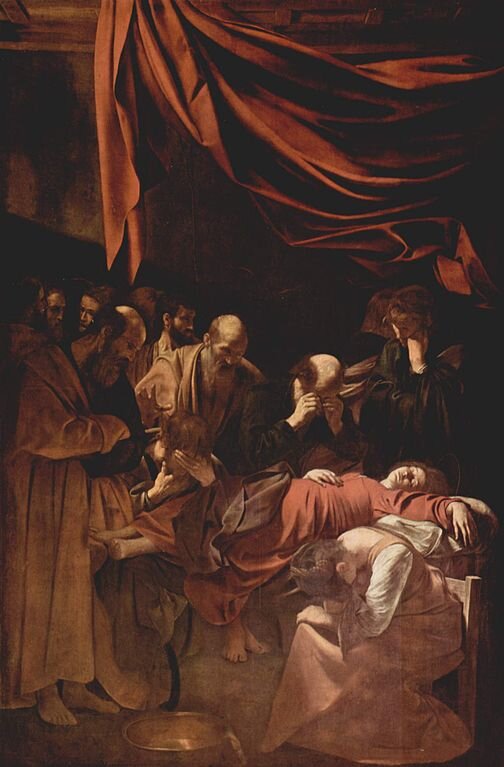
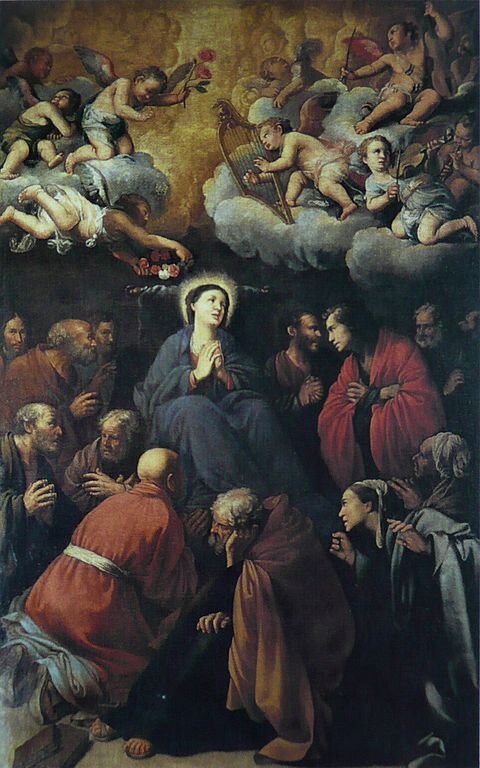
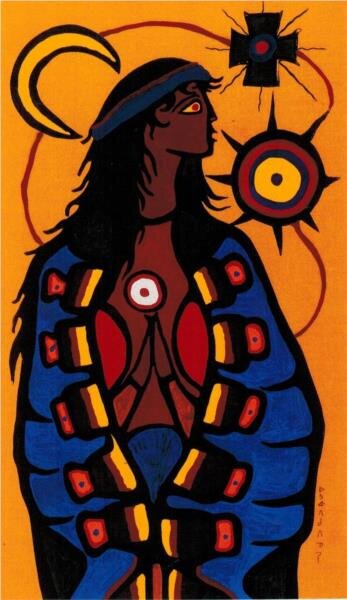
“Madonna”, refers to the Biblical character, Mary, mother of Jesus Christ. The term Madonna comes into English usage in the 17th century, primarily in reference to works of the Italian Renaissance. There are hundreds of thousands of representations of Madonna starting with the 2nd century and continuing to the present.
Mary, also known as the Virgin Mary, was a young Jewish woman from Nazareth, a virgin, betrothed to Joseph. One day, the angel Gabriel appeared to her in her own home and announced that she was to be the mother of the promised Messiah who would be conceived through the Holy Spirit. She responded by saying “I am the handmaid of the Lord. Let it be done unto me according to your word.”
Joseph at first planned to quietly divorce her however when he was told that her conception was by the Holy Spirit in a dream by “an angel of the Lord” he agreed to complete the wedding rites.
In some versions of the story, the apocryphal Gospel of James, Mary was the daughter of Saint Joachim and Saint Anne. Before Mary's conception, Anne had been barren and was far advanced in years. Mary was given to service as a consecrated virgin in the Temple in Jerusalem when she was three years old, much like Hannah took Samuel to the Tabernacle as recorded in the Old Testament.
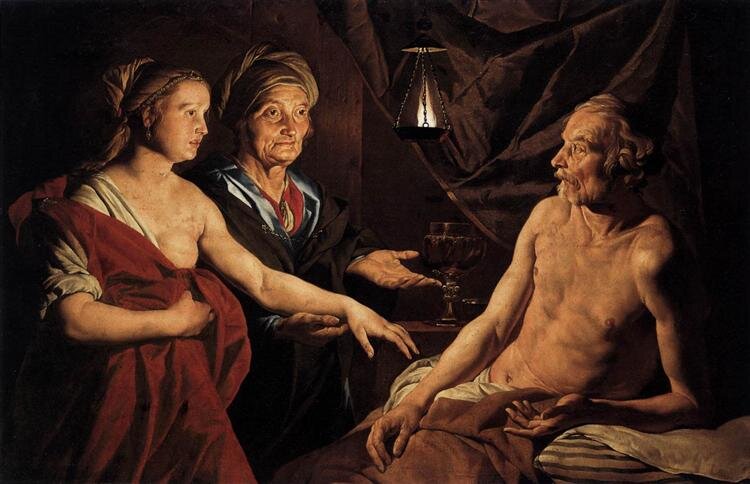
Some apocryphal accounts state that at the time of her betrothal to Joseph, Mary was 12–14 years old, and he was ninety years old.
According to the Gospel of Luke, a decree of the Roman Emperor Augustus required that Joseph return to his hometown of Bethlehem to register for a Roman census. While Joseph and Mary were en route to Bethlehem, Mary gave birth to a son, Jesus. As there was no place for them to stay at the inn, she used a manger as a cradle.
Twelve years later, Mary, Joseph and their family were returning from a Passover celebration in Jerusalem. On the day of their return, Jesus "lingered" in the Temple, but Mary and Joseph thought that he was among their group. Mary and Joseph headed back home and after a day of travel realized Jesus was missing, so they returned to Jerusalem .Three days later they found him in the Temple in great discussion with the elders who were amazed at this maturity and learning at such a young age.
Mary is notably absent in the story of the life of Jesus. Some verses suggest a conflict between Jesus and his family, including an attempt to have Jesus restrained because "he is out of his mind". A famous quote reads: "A prophet is not without honour except in his own town, among his relatives and in his own home."
Mary appears again in the story of Jesus, when he worked his first miracle turning water into wine during a wedding in Cana.
She is depicted as being present at his crucifixion, along with Mary Magdalene and Mary of Clopas. The image of Mary cradling the dead body of her son is a common motif in art, known as a “pieta” or “pity”.
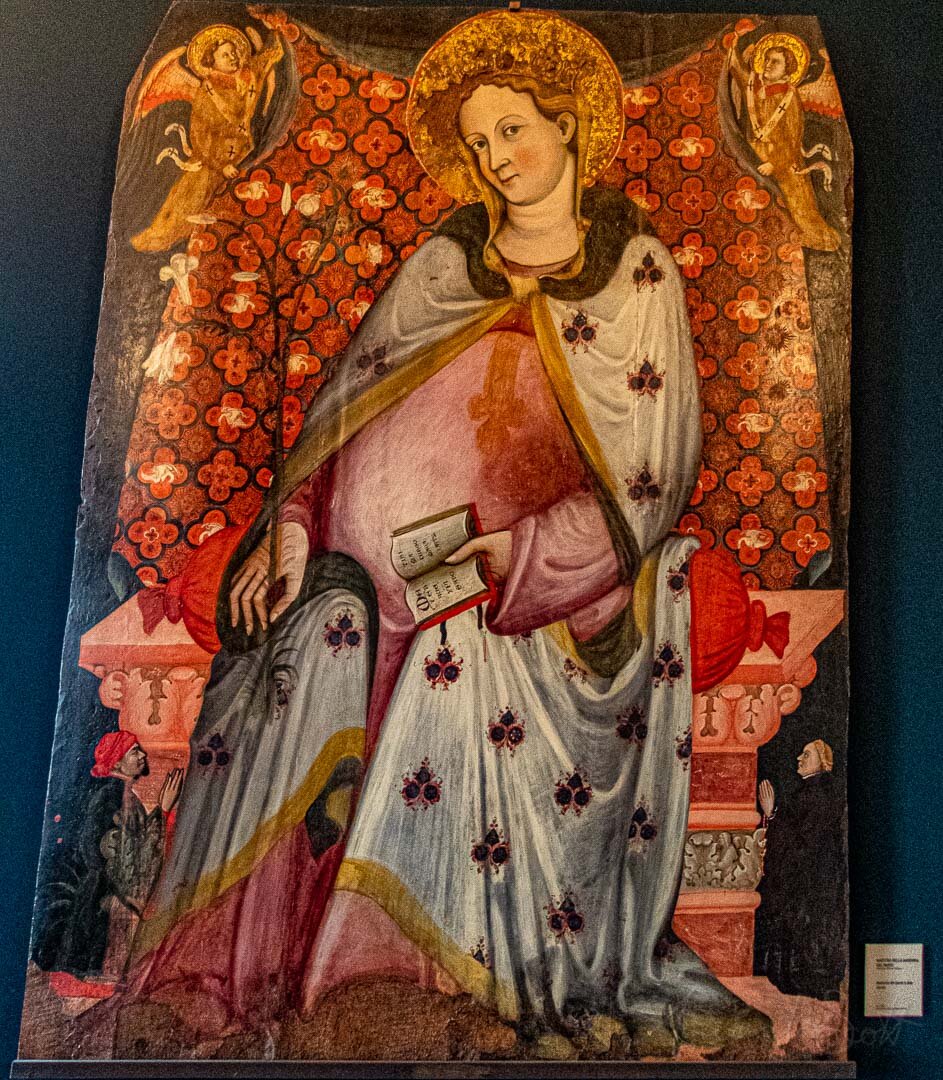
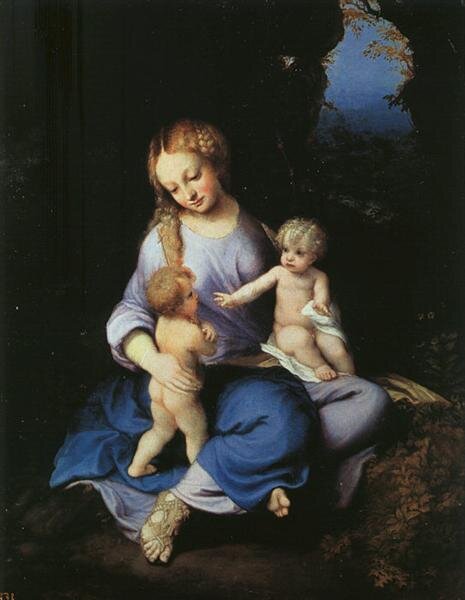
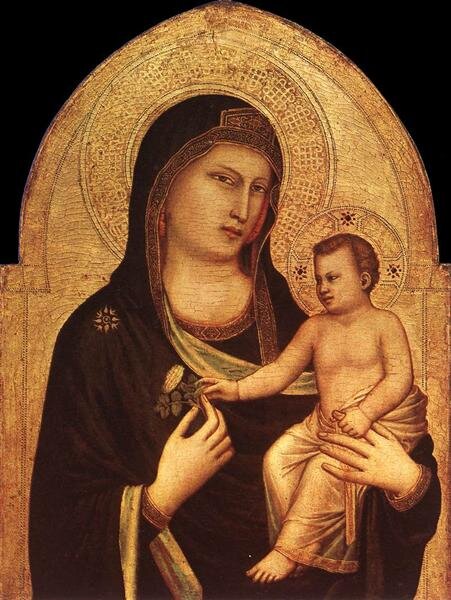
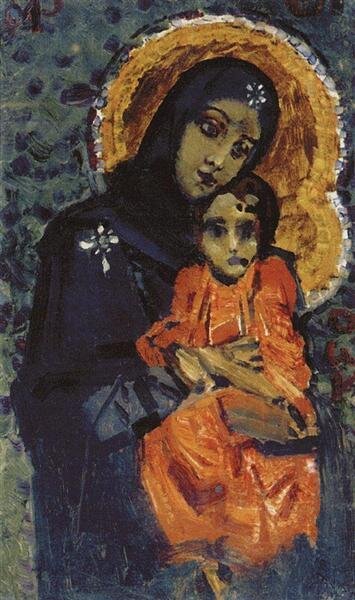
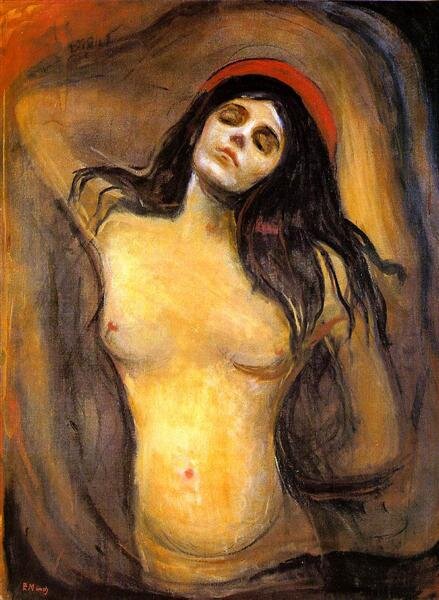
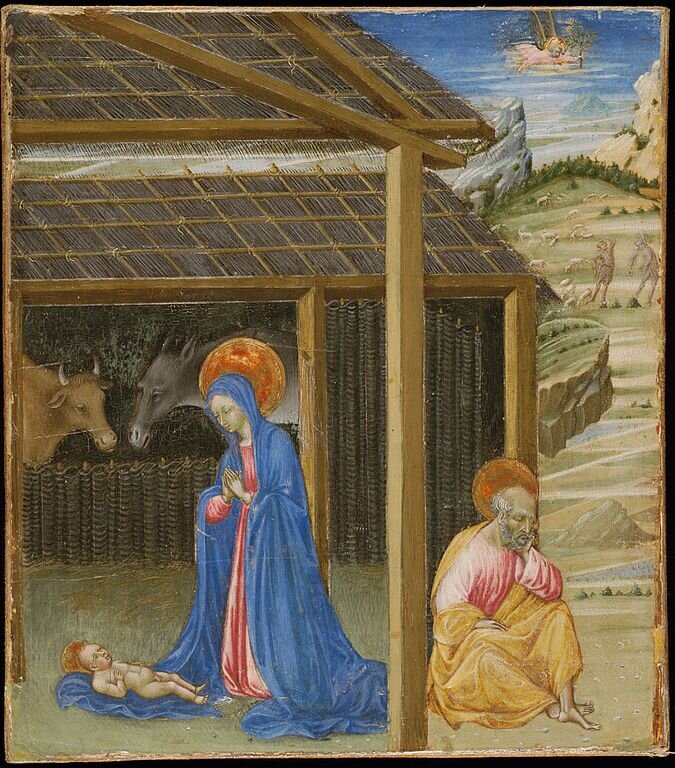
Giovanni di Paolo, c. 1455-1460, Fogg Art Museum
Part of the Predella of the Presentation of Christ in the Temple altarpiece
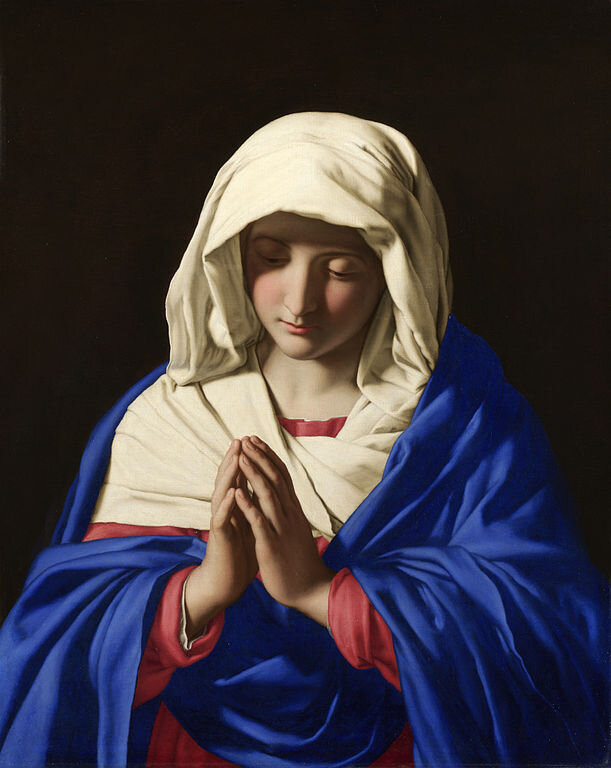
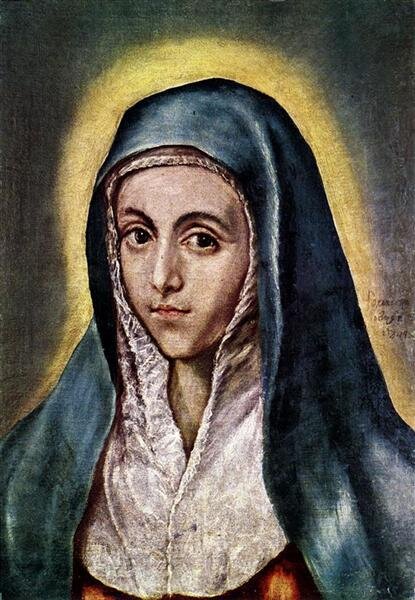
Giovanni Battista Salvi da Sassoferrato, between 1640 and 1650: National Gallery, London.
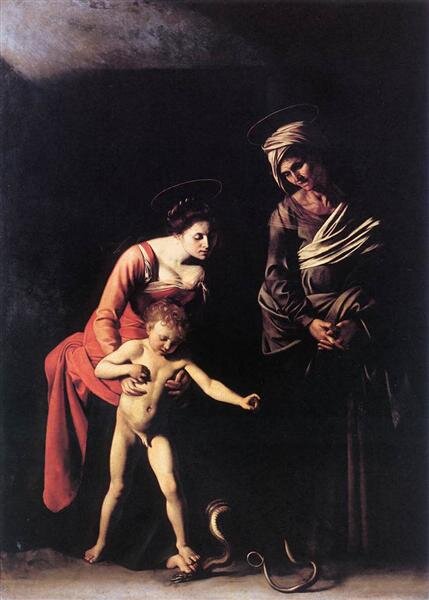
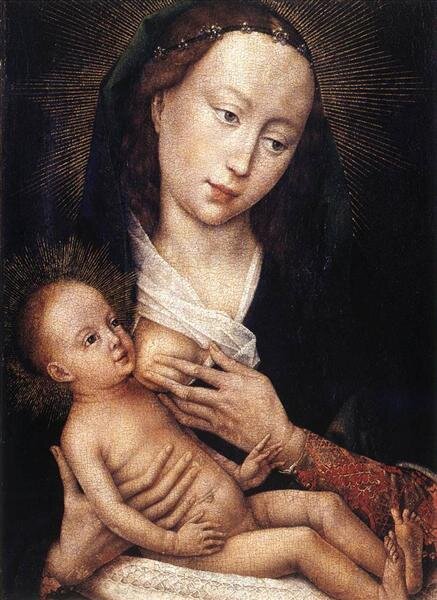
Rogier van der Weyden
c.1450-1459
Northern Renaissance
Musée des Beaux-Arts Tournai, Tornai Belgium
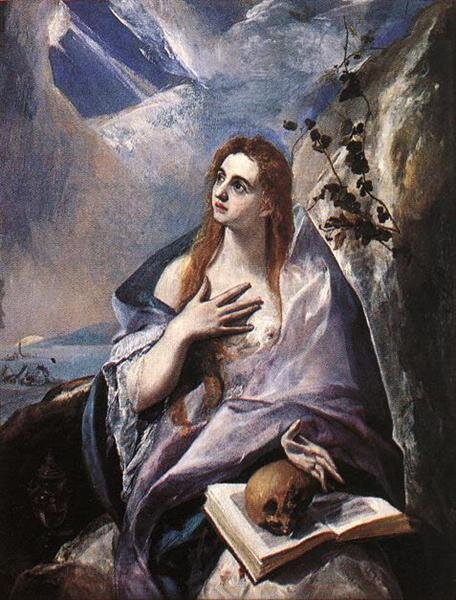
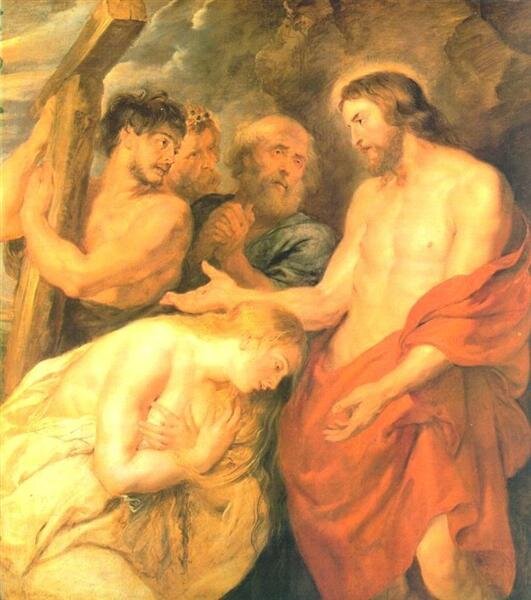
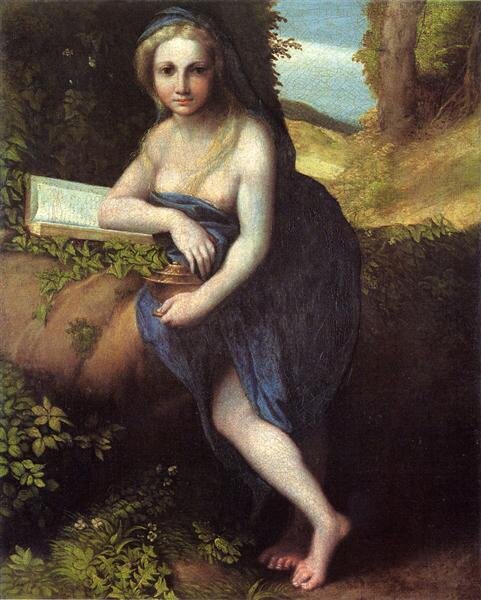
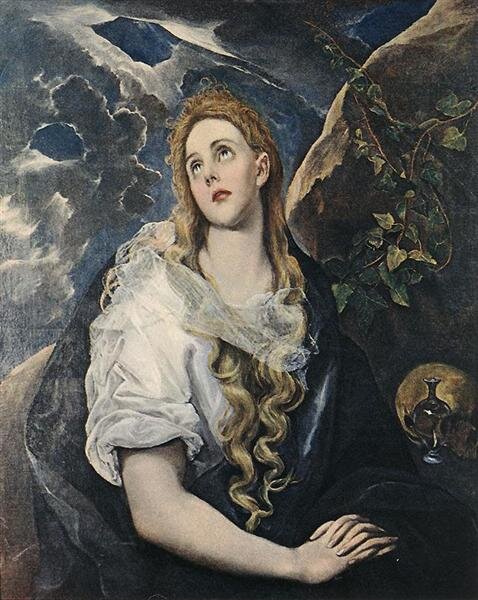
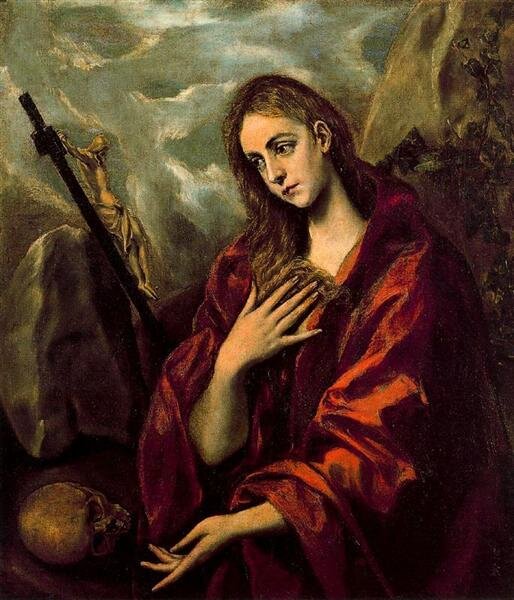
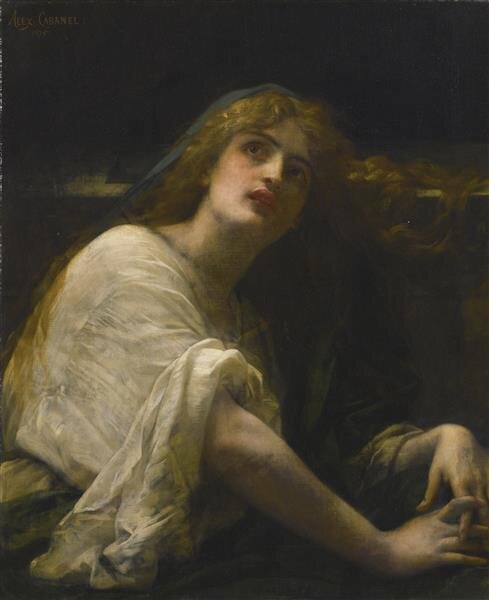
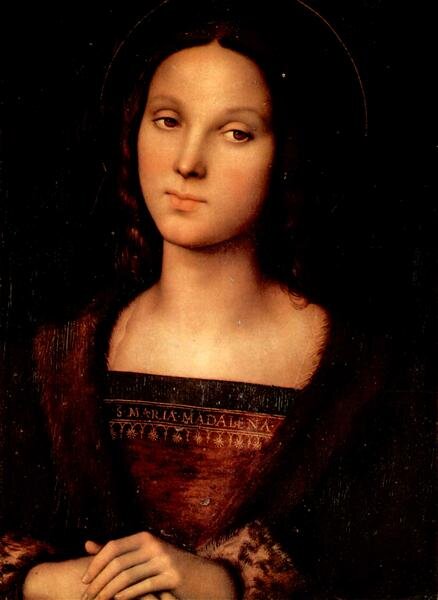
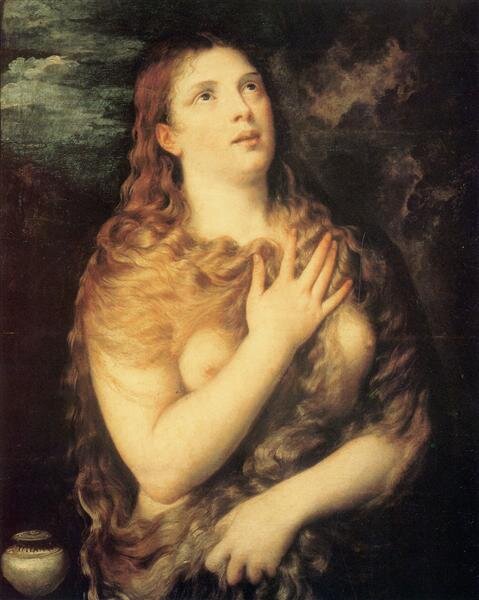
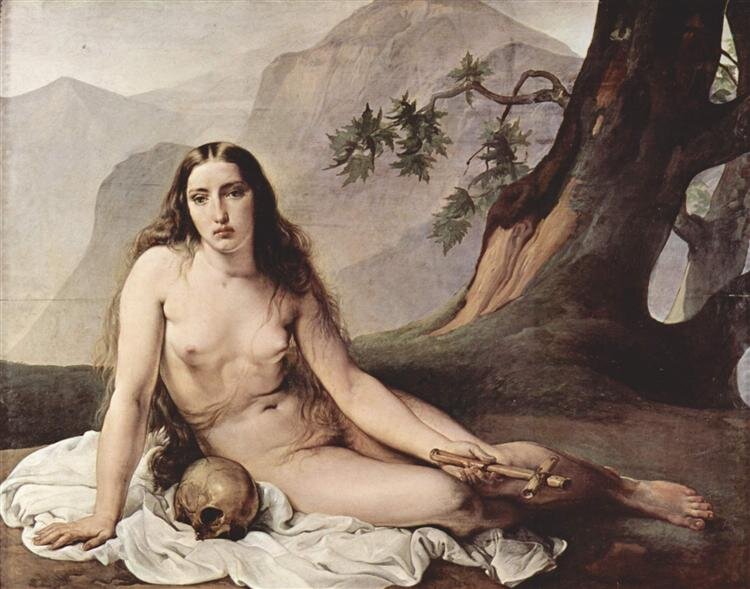
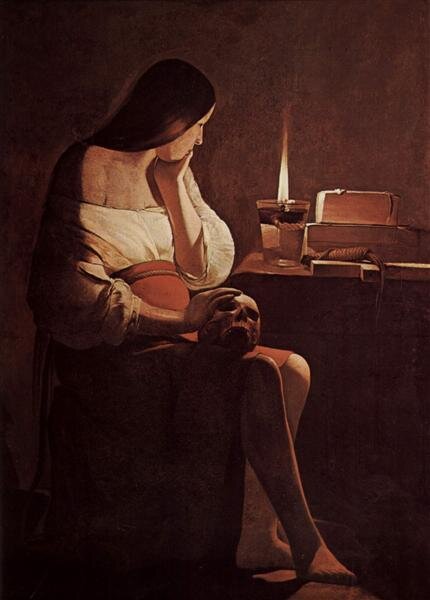
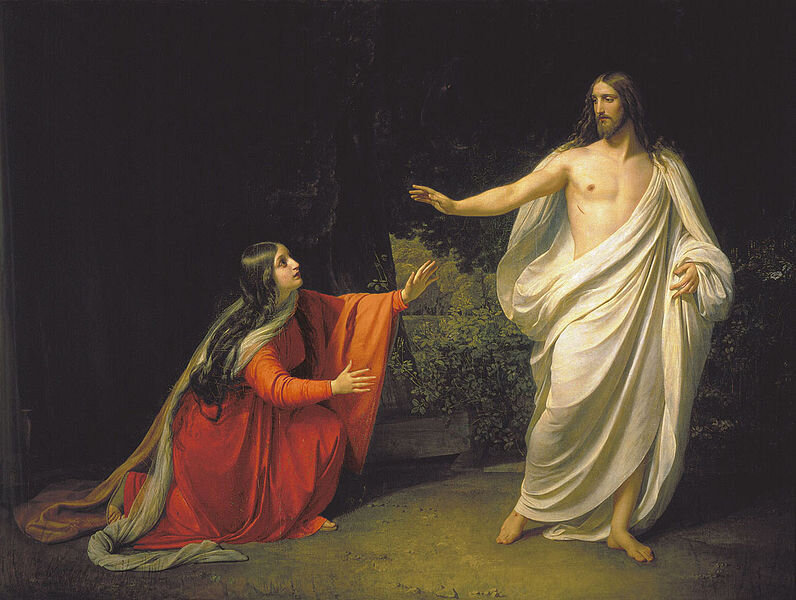
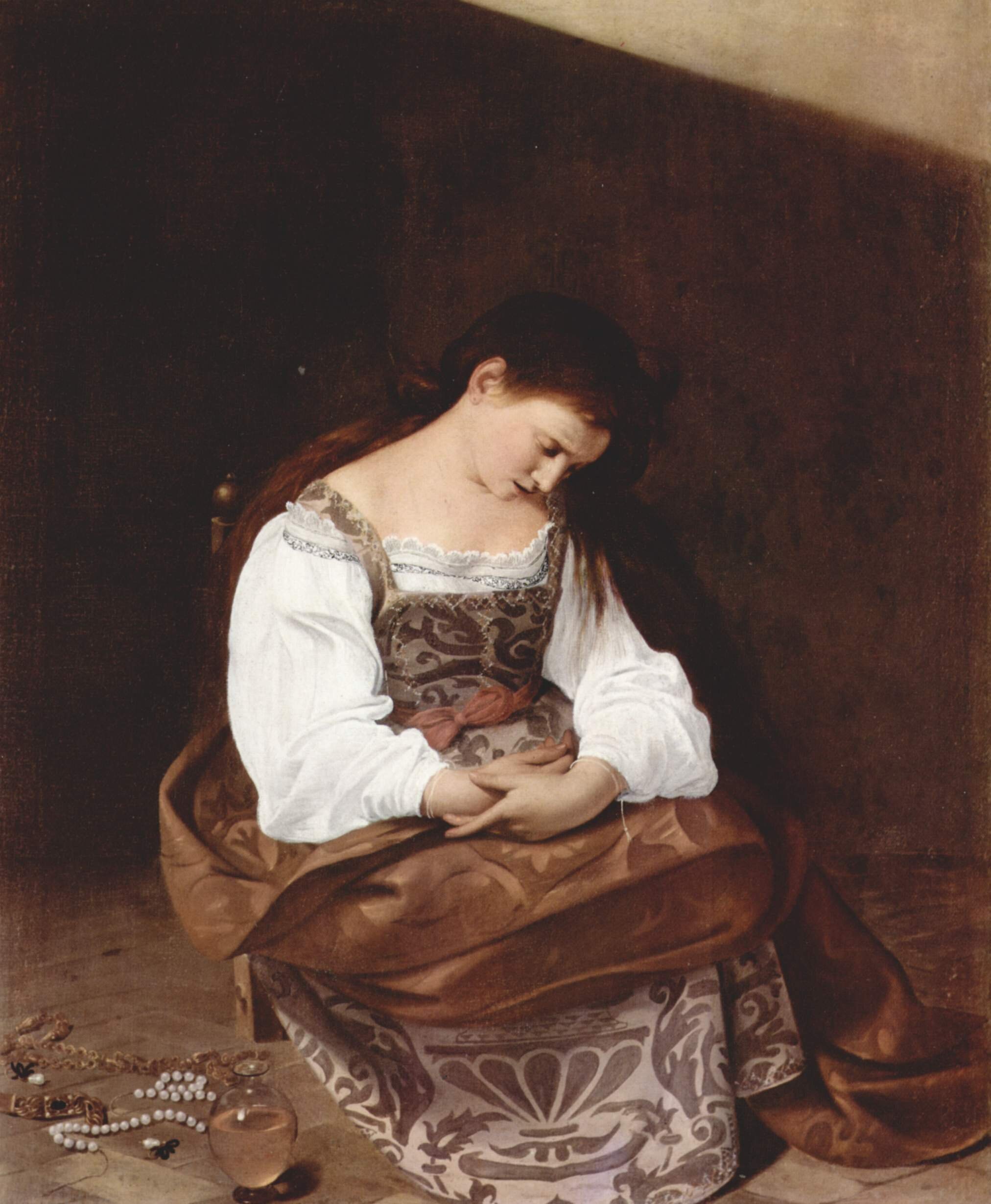
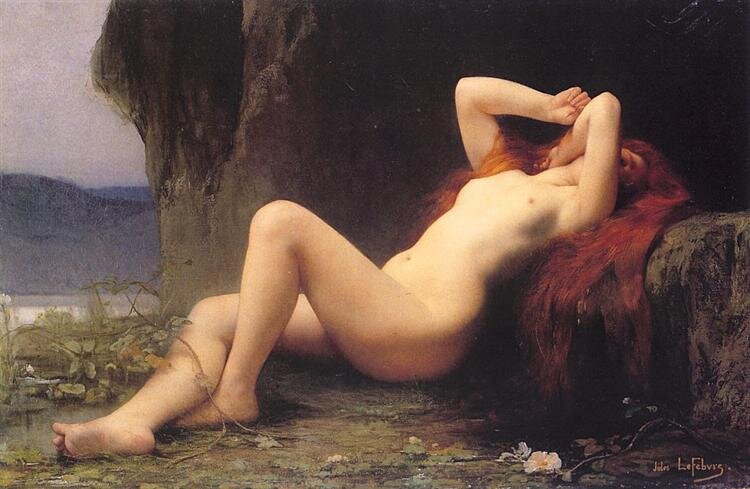
Mary Magdalene
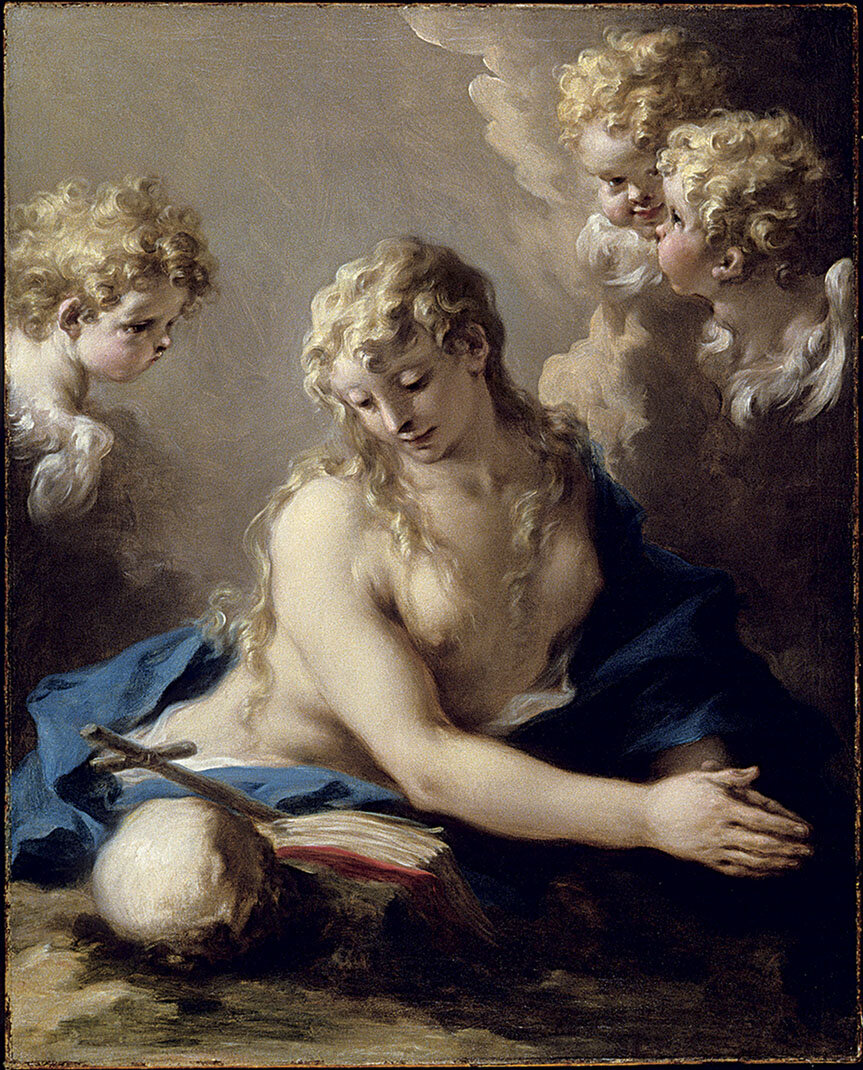
Musee des Beaux Arts de Montreal
Giovanni Antonio Pellegrini
Venice 1675 – Venice 1741
About 1720-1725
Oil on canvas
118.5 x 94.3 cm
Purchase, Horsley and Annie Townsend Bequest and gift of Mr. and Mrs. Michal Hornstein, inv. 1995.11
Pellegrini was one of the outstanding Venetian Rococo history painters. A prodigy, by the age of fifteen the artist had travelled internationally. His loose brushwork was encouraged by visits to Rome, where he encountered the art of Giordano and the late paintings of Gaulli. He brought a new sprezzatura (spontaneous brushstroke) and vividness of colourism to Venetian decorative painting. He also was profoundly indebted to the Venetian Renaissance master, Veronese.
This painting is characteristic of the artist’s works of the early 1720s, with its weaving, nervous diagonal compositional structure, pastel palette and intense silvery light that dematerializes the figure. The artist prepared the canvas of The Penitent Magdalen with white, instead of red, ground. The result contributes to the brilliance of light and softening of forms defined in rapid brushstrokes as if dissolving in palpable atmosphere — a characteristic of the Venetian school — and the freshness and sensuality of the Magdalen, who is shown here surrounded by amor-like cherubim. The iconography is part of an extended Venetian heritage. Bare-breasted with long hair, the sensual Magdalen refers to her putative earlier history as a prostitute before her conversion to Christ. She appears accompanied by angels, shown in the open landscape of the wilderness to which she retreated, penitent and regarding scripture and a cross, with a skull as a memento mori, a Venetian type that had a long and notable history, with examples by Titian and Veronese, among others.
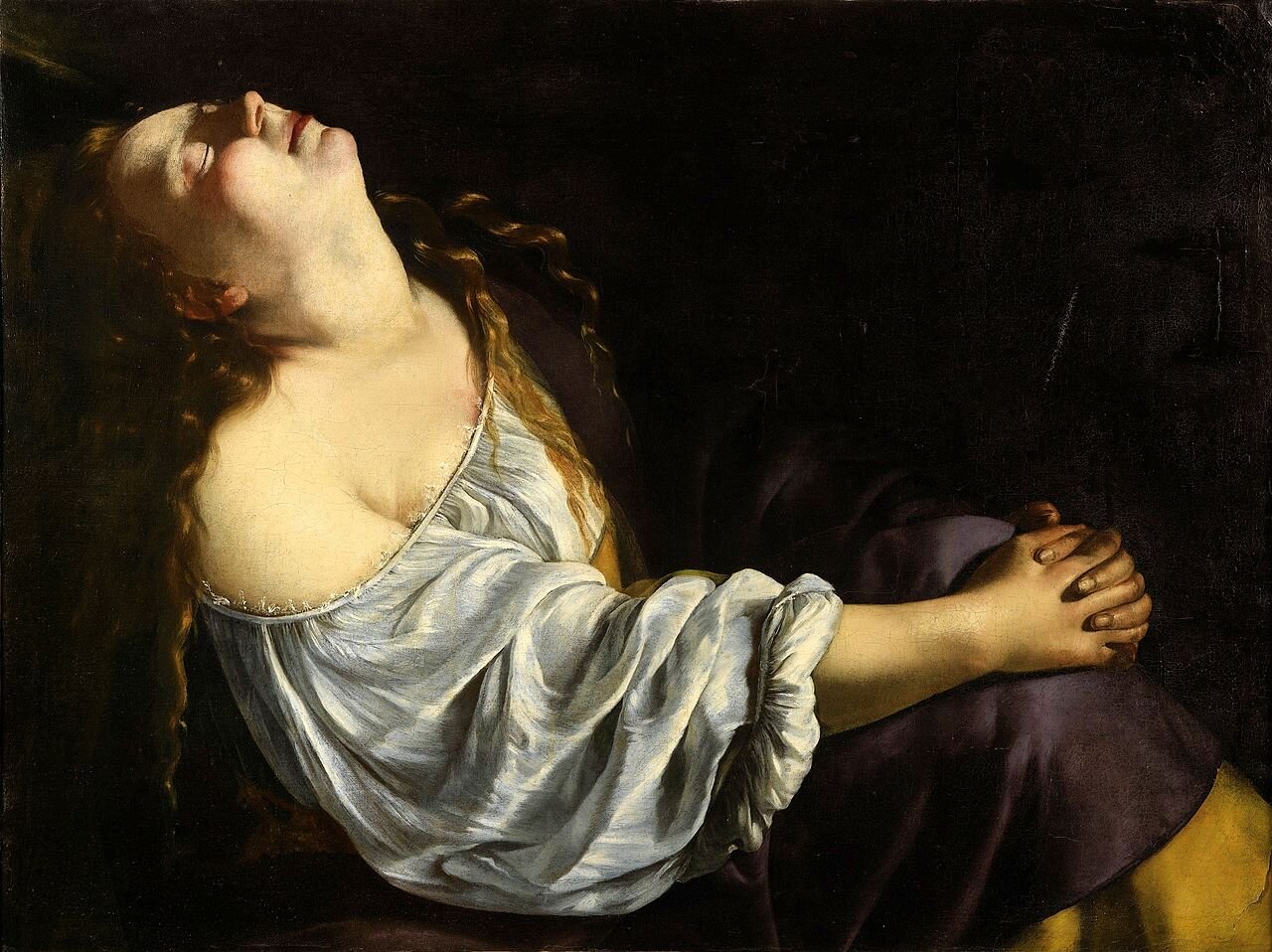
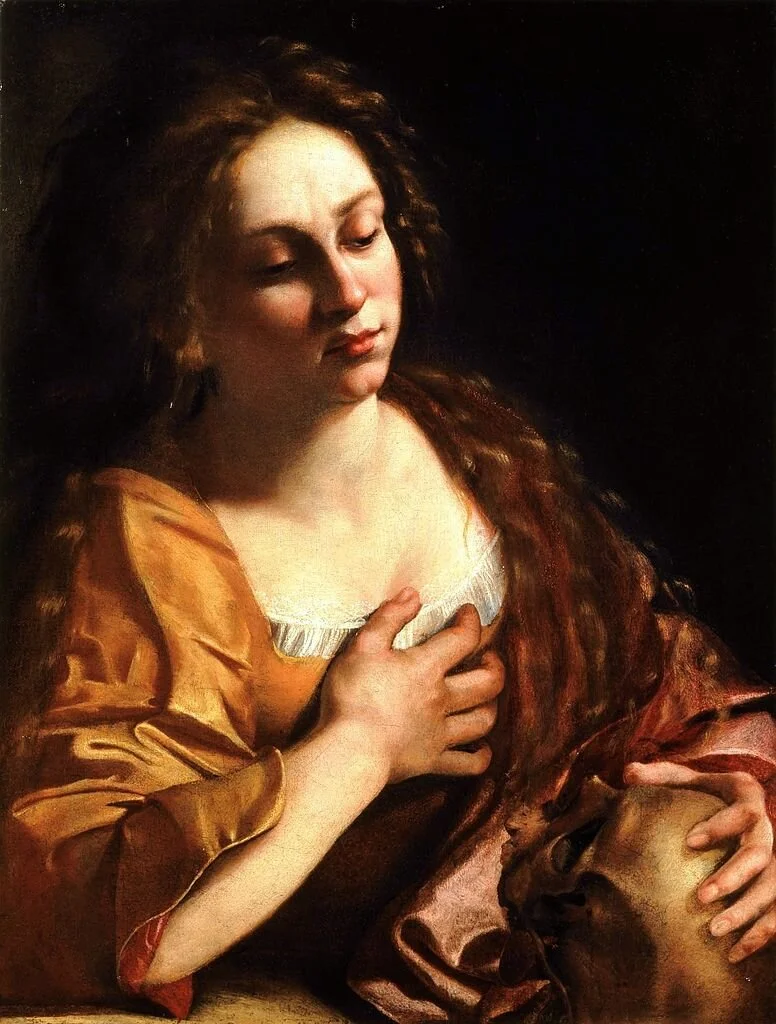
Artemisia Gentileschi, 1615-16 or 1631, Private collection, Marc A. Seidner, Los Angeles, USA
Cecilia
Cecilia is known as the patron saint of music. She is one of the most famous martyrs of the early church.
According to a late 5th-century legend, she was a noble Roman who, as a child, had vowed her virginity to God.
She was married against her will to a pagan man named Valerian. Cecilia told him that an angel of God wished her to remain a virgin. Valerian promised to respect this wish if he were allowed to see the angel. She replied that he would if he were baptized. On his return from baptism he found Cecilia talking to the angel. She then converted his brother Tiburtius, who also saw the angel. Both men were martyred before she was. Cecilia converted 400 people through her preaching, and distributed her possessions to the poor. This infuriated the prefect Almachius. Cecilia was arrested, and condemned to be burned and suffocated in the baths.
She was shut in for a night and a day, and the fires were heaped up, and made to glow and roar their utmost, but Cecilia did not even break out into perspiration through the heat. When Almachius heard this he sent an executioner to cut off her head in the bath. The man struck three times without being able to sever the head from the trunk. He left her bleeding, and she lived three days.
Crowds came to her, and collected her blood with napkins and sponges, whilst she preached to them or prayed. At the end of that period she died, and was buried by Pope Urban and his deacons.
Hagar
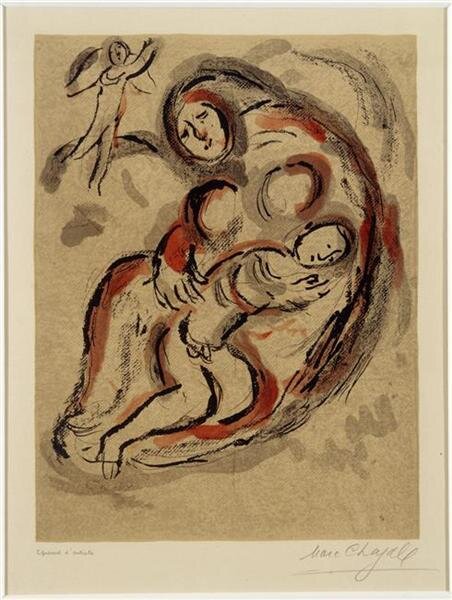
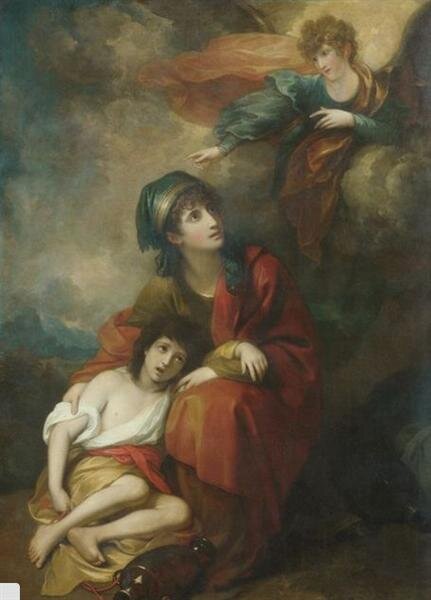
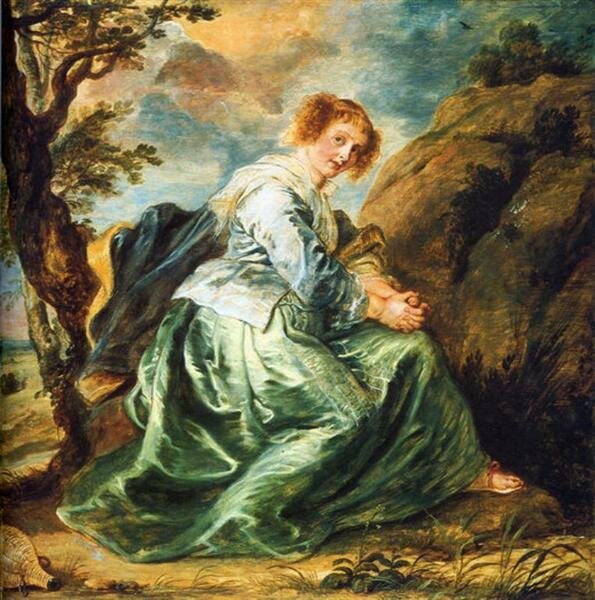
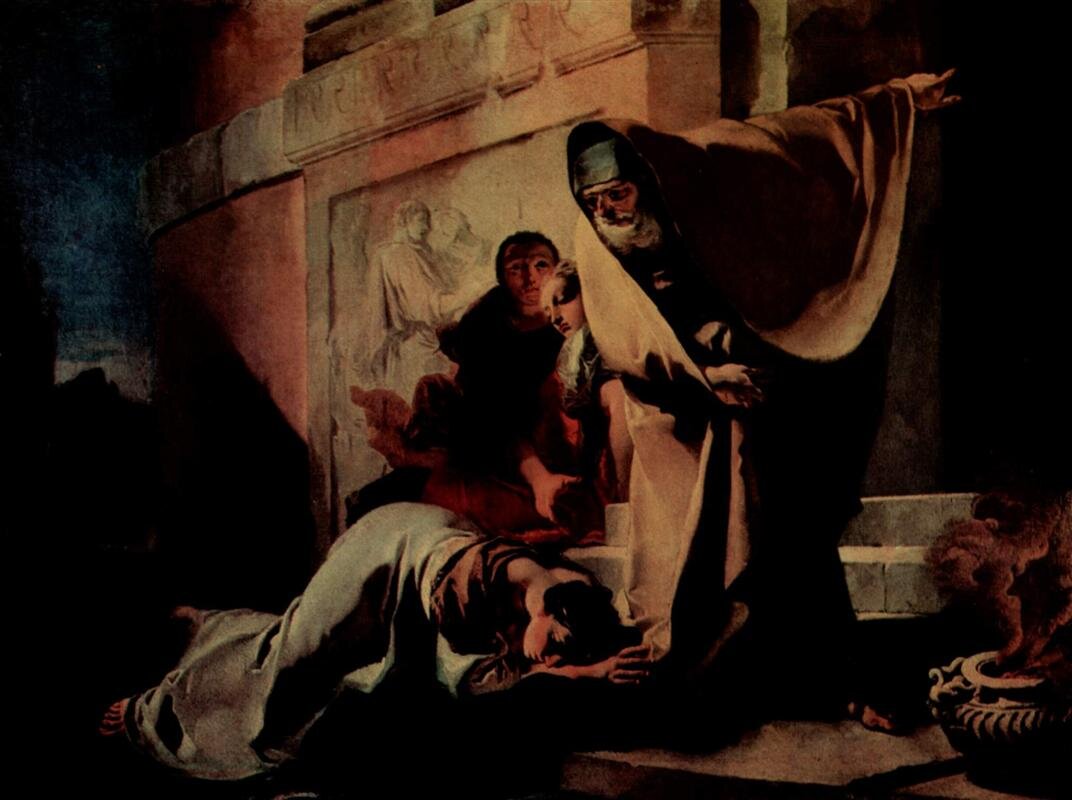
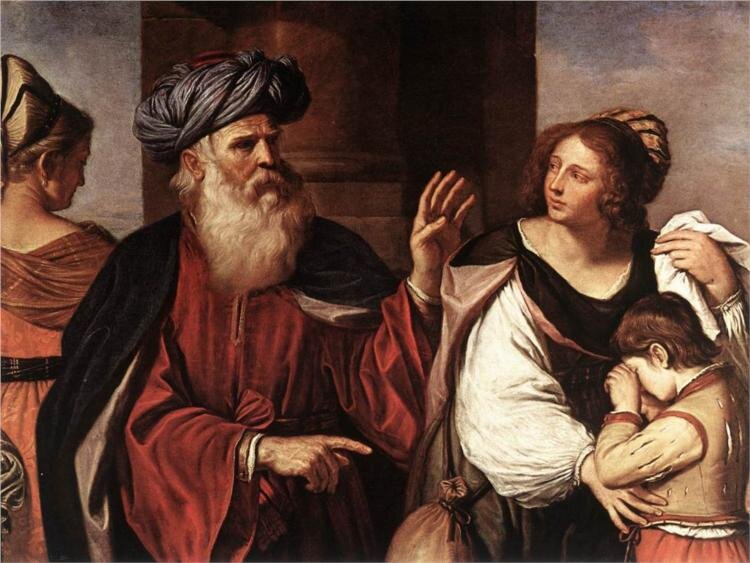
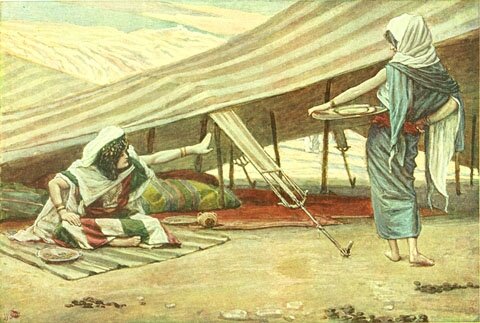
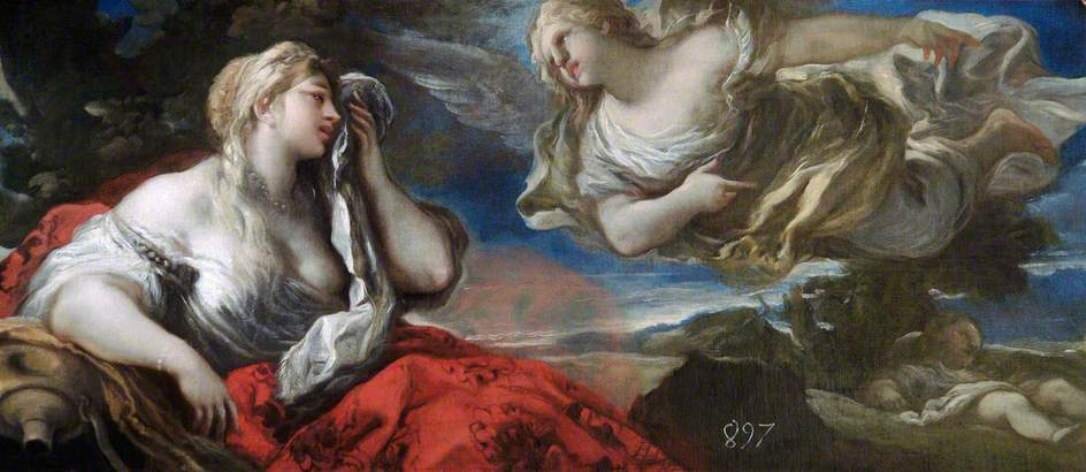
In the Hebrew Bible, Hagar is an Egyptian slave and handmaid who lives with Abraham and Sarah. She is considered one of the Abrahamic traditions’ primary women. She is the mother of Abraham’s oldest son, Ishmael, and, through him, the matriarch of multiple Arab tribes, revered by Islam and acknowledged by Hebrew and Christian traditions (Gen 25:13-15). More strikingly, she is portrayed as a woman who knows God personally. (Gen 16:7-14 )
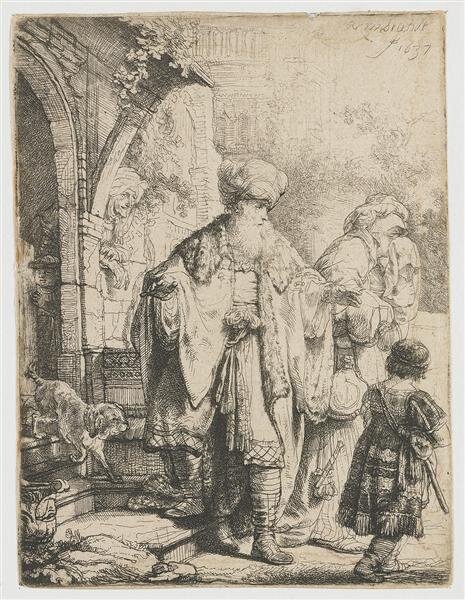
Abraham and Sarah are desperate to have a child but Sarah is unable to conceive. Hagar is Abraham’s concubine. Although this is common family arrangement in the ancient Near East, they never call her by name and never recognize her as a whole person. Hagar is used as a surrogate mother. Sarah treats her “harshly” (Gen 16:6).
Hagar flees from this abuse to the wilderness. An angel of God calls Hagar and demands: “Where have you come from and where are you going?” Hagar states where she has come from but does not say where she is going, thereby confessing that she envisions no future.
The angel commands her to “return and submit” (Gen 16:9) and informs her that she is pregnant with a son, Ishmael, which means (“God hears”) who will become a “wild ass of a man”. With the knowledge that God has heard of her situation and acknowledges the cruelty of her situation, Hagar returns. Through this experience Hagar’s sense of personal identity develops. She may be socially marginalized, but in claiming to have been seen by God, Hagar asserts her personhood and a direct relationship with God beyond even that of Sarah.
Wilgefortis
According to legend, Wilgefortis is a young Christian noblewoman who has taken a vow of chastity. Her father, a pagan King, arranges for her to marry another pagan. Reluctant to marry because of her vow, she prays to God to make her repulsive to her betrothed.
Here’s where it gets interesting. God grants her wish and in His infinite wisdom gives her a beard. Her fiancé faints, the engagement is broken, and her father crucifies her in a rage.
God all powerful could have given her anything but no, he gives her a beard.
Let that sink in.
What does that signify to you? A bearded woman: unviable, infertile, transitioning to menopause. For seeking to avoid an unwelcome suitor the woman is made less-than feminine.
Where have we encountered this before?
Wilgefortis is also known as Uncumber in England; Ontkommer (one who avoids something): Holland ; Kümmernis (grief or anxiety): Germany; Débarras (riddance): France; Liberata (liberated): Italy; and Librada: Spain. She is venerated by people seeking relief from tribulations, particularly by women wishing to be freed from abusive husbands.
ill-matched
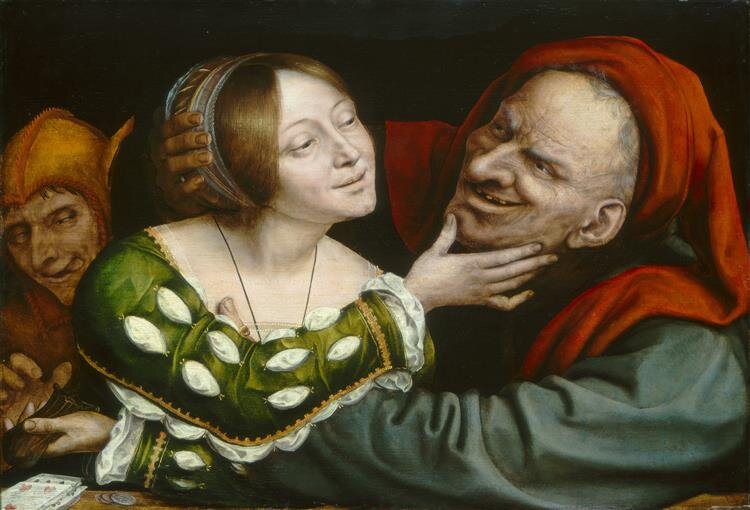
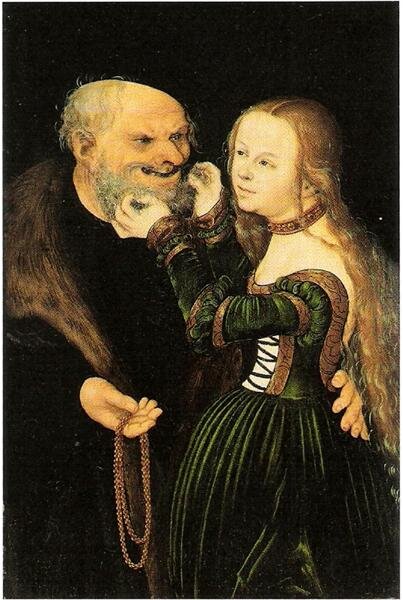
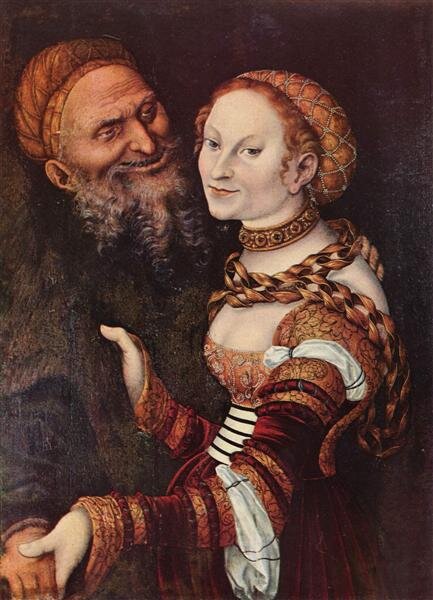
Lucas Cranach the Elder, c.1517, Northern Renaissance, Royal Museums of Fine Arts of Belgium, Brussels, Belgium
idealized